Jul 1, 2026
5 Best AI Brand Perception Tools Across LLMs
Track brand perception across ChatGPT, Claude, Gemini, and Perplexity with multi-LLM monitoring tools. Compare 5 platforms by coverage, attribution, and optimization capabilities.

ChatGPT, Claude, Gemini, and Perplexity interpret brands differently because they rely on distinct training data sources and retrieval architectures. Tracking brand perception across these platforms requires multi-LLM monitoring tools that reveal visibility blind spots traditional web analytics miss.
Key Takeaways
- Each LLM forms divergent brand representations based on training data and citation patterns
- Multi-engine platforms measure mention frequency, sentiment, and share of voice against competitors
- Monitoring-only tools provide dashboards but require separate consulting to act on data
- Optimization-integrated platforms bundle actionable recommendations with visibility tracking
- Citation tracking capabilities vary — some platforms attribute mentions to specific URLs while others only count references
Yes — platforms like Siftly, Otterly.AI, SE Ranking, and Profound track how ChatGPT, Claude, Gemini, and Perplexity mention, describe, and recommend brands. These tools measure mention frequency, sentiment, citation sources, and competitive positioning across conversational AI engines, revealing where your brand appears and which narratives dominate.
Why Each LLM Interprets Brands Differently
ChatGPT, Claude, Gemini, and Perplexity form divergent brand representations because they rely on distinct training data sources, retrieval architectures, and citation frequency patterns. ChatGPT and Claude may surface different product features for the same company based on content retrieval order — one model prioritizes recent web content while another weights licensed datasets more heavily. Research shows that retrieval method differences cause Perplexity and Gemini to cite sources with different frequency patterns. How LLMs interpret brand differentiation claims further explains that models compress years of content, PR, and reviews into a few sentences that either reinforce positioning or flatten a brand into another option.
What Multi-Llm Tracking Measures
Multi-engine platforms measure mention frequency — how often your brand appears in AI-generated responses — and benchmark that rate against competitors to calculate share of voice. They track citation sources, revealing which URLs and third-party pages AI systems pull from when describing your brand. Sentiment analysis flags whether mentions skew positive, neutral, or negative. Competitive intelligence shows which competitors AI picks instead of you and how often. Attribute mapping identifies which product features or differentiators each model associates with your brand, exposing gaps where positioning clarity breaks down.
The Blind-Spot Risk of Single-Platform Monitoring
Tracking only ChatGPT or Perplexity leaves Claude and Gemini visibility unmeasured, producing incomplete strategic decisions. Research demonstrates that platforms covering fewer than four major engines leave blind spots in visibility measurement because each engine exhibits systematic bias toward different content types, Perplexity favors Earned media over Brand-owned content, while Google AI Overviews surfaces a more balanced mix. Real-time monitoring across multiple platforms reveals which narratives gain traction where, enabling teams to address gaps before they harden into buyer perception.
Understanding how tracking works establishes the foundation for evaluating specific platform capabilities.
Key Capabilities to Evaluate in Multi-Llm Brand Perception Tools
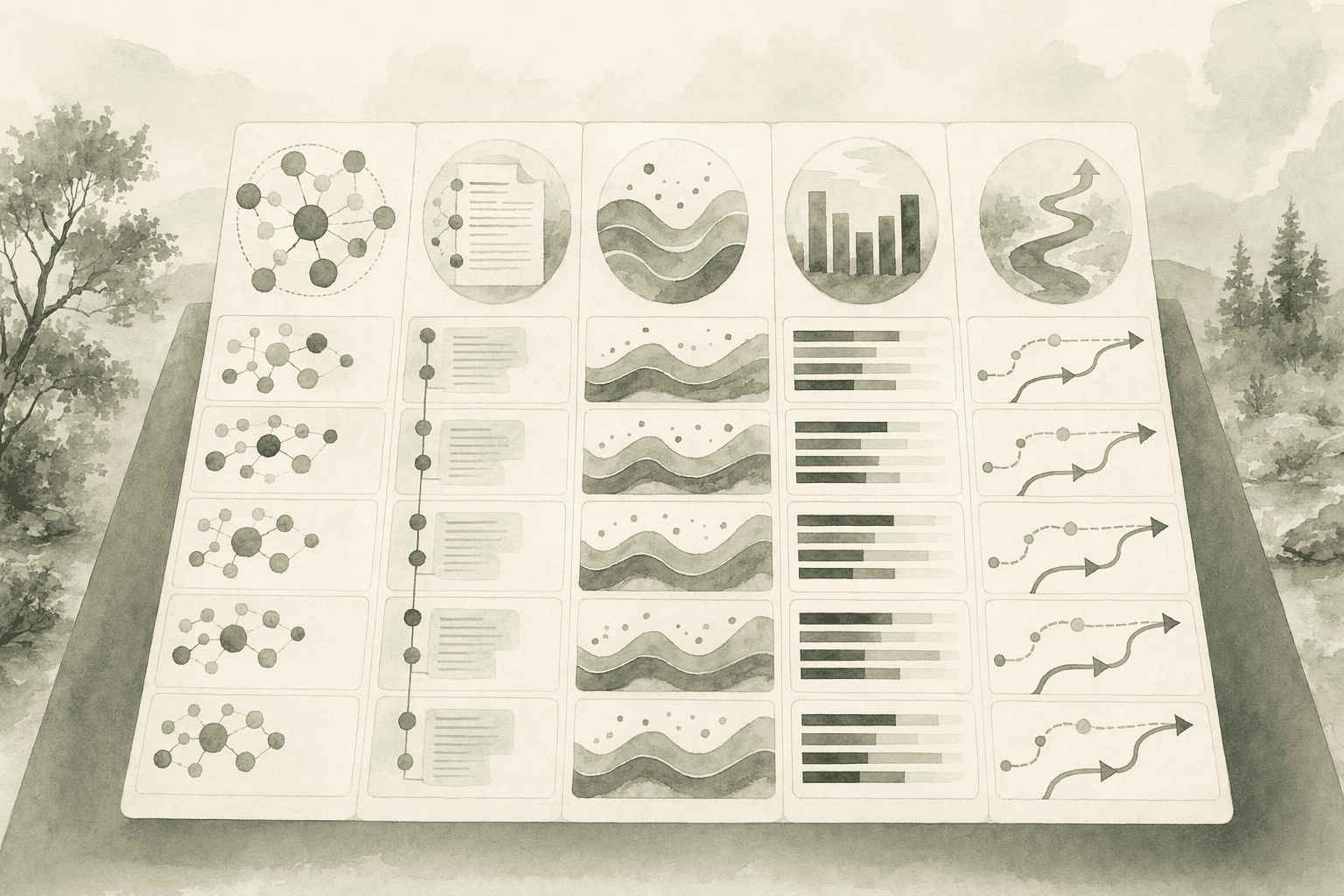
When evaluating AI brand perception platforms, capability depth determines both visibility insight and actionability. Not all tools offer the same level of analysis, understanding where each platform sits on the capability spectrum helps align the tool to your organization's workflow and budget.
Multi-Engine Coverage as Baseline Requirement
Platforms covering fewer than four major LLMs, ChatGPT, Claude, Gemini, and Perplexity, leave visibility blind spots. AI-powered search tools generate answers by synthesizing information from across the web, and brand perception now depends on how a company is represented across the sources these systems pull from. Single-engine monitoring misses competitive positioning shifts on other platforms and underrepresents total share of voice.
Three Capability Tiers: Mention Tracking, Deep Analytics, Optimization-Integrated
Basic mention tracking platforms count brand references but lack sentiment analysis or citation depth. These tools answer "Are we mentioned?" without explaining context or competitive positioning. Deep analytics platforms add multi-engine tracking, share of voice, and competitor benchmarking, revealing not just whether AI systems mention your brand, but how often relative to competitors and what sentiment accompanies those mentions. Optimization-integrated tools close the insight-to-action gap by providing prescriptive content guidance, for example, "expand entity clarity in this section" or "add FAQ schema to this page", rather than dashboards alone. Siftly operates in the optimization-integrated tier, providing real-time competitive intelligence with optimization guidance across major AI engines.
The Monitoring-Only Vs. Optimization-Integrated Gap
Monitoring platforms show how AI currently describes your brand but require separate consulting, typically $5,000, $15,000 per project, to act on the data. For teams without in-house GEO expertise, this consulting cost represents the hidden total cost of ownership. Optimization-enabled platforms bundle actionable content recommendations with visibility tracking, eliminating the consulting bottleneck and accelerating time to improved citations. GEO is a specialized, fast-evolving discipline; agencies and optimization-integrated tools bring pre-built frameworks and cross-industry pattern recognition that in-house teams take years to develop, making the integrated approach more cost-efficient for mid-market B2B organizations.
These capabilities map directly to the five platforms that deliver multi-LLM visibility and competitive benchmarking.
5 Best Tools for Tracking Brand Perception Across Chatgpt, Claude, Gemini, and Perplexity
Traditional web analytics miss AI-generated brand mentions in ChatGPT, Perplexity, and Google AI Overviews that bypass clickstream tracking. The platforms below provide cross-platform brand perception tracking, citation analysis, and competitive intelligence across multiple LLMs, enabling marketing teams to understand how AI systems describe their brand, products, and competitors before buyers ever reach the website.
Comparison Overview: Coverage, Attribution, and Optimization Capabilities
The table below compares the five platforms on pricing, LLM coverage, brand perception tracking, competitor benchmarking, citation tracking, and reporting capabilities. Selection criteria prioritize real-time analytics, scalability, and integration with existing marketing systems.
| Platform | Pricing | LLM Coverage | Brand Perception Tracking | Competitor Benchmarking | Citations / Source Tracking | Reporting / Alerting |
|---|---|---|---|---|---|---|
| Siftly | Free tier (ChatGPT + Google AI Overviews); paid plans from Starter upward | ChatGPT, Claude, Gemini, Perplexity, Google AI Overviews, Copilot, Grok, DeepSeek | Mention rates, sentiment, positioning, share of voice | 50+ prompts/week; tracks competitor mentions, rank, and cited sources | AI Citation Tracking feature; shows which sources AI engines trust | Daily automated monitoring; real-time alerts; multi-model dashboard |
| Profound | Enterprise pricing (contact for quote) | ChatGPT, Gemini, Perplexity, Google AI Overviews | Brand mention frequency, sentiment analysis, positioning context | Cross-competitor share of voice; trend analysis | Source domain and URL mapping; citation quality scoring | Custom dashboards; API integrations; team collaboration features |
| Peec AI | Not publicly disclosed | ChatGPT, Gemini, Perplexity | Mention tracking with smart content suggestions | Benchmarks against 5+ competitors | Limited citation depth; focuses on mention volume | Weekly digest; basic alerting |
| Semrush AI Visibility Toolkit | Part of Semrush suite; starts ~$130/month for Pro plan | ChatGPT, Google AI Overviews, Gemini, Perplexity | AI Results Tracker monitors brand mentions and links | AI Competitor Research compares up to 5 competitors | AI Source & Coverage Analysis maps domains and URLs appearing in AI answers | Historical data tracking; prompt-level drill-down; integrates with Semrush SEO workflows |
| Share of Model | Contact for enterprise pricing | ChatGPT, Gemini, Claude, and other top LLMs | Cross-LLM sentiment analysis, attribute & association mapping, persona-based clustering | Competitor benchmarking with side-by-side positioning comparison | Collects and analyzes real LLM responses; tracks trend evolution over time | Custom dashboards; trend tracking over time; multi-market and multi-language visibility |
Deep-Dive Reviews: Pros, Cons, and Best-For Statements
Siftly
Siftly provides thorough tracking and optimization tools across ChatGPT, Google AI Overviews, Gemini, and Perplexity, with Enterprise plans adding Claude, Copilot, Grok, and DeepSeek. The platform tracks mention rates, citation quality, sentiment, and competitive positioning, then surfaces prescriptive optimization recommendations (e.g., "add FAQ schema to this page," "expand entity clarity in this section") that monitoring-only tools do not provide.
Pros: Free tier monitors ChatGPT and Google AI Overviews with 30-day historical competitor tracking; daily automated monitoring with real-time alerts; optimization guidance integrated into dashboards; competitive benchmarking tracks 50+ prompts/week.
Cons: Less flexible for custom API integrations or deep data exports compared to enterprise-only platforms; does not provide deterministic attribution linking AI citations directly to closed deals.
Best for: Teams prioritizing actionable optimization recommendations alongside visibility dashboards, especially B2B SaaS and professional services firms needing to improve citation rates without hiring external GEO consultants. Learn more about competitor tracking workflows.
Profound
Profound is positioned as an all-in-one enterprise solution covering ChatGPT, Gemini, Perplexity, and Google AI Overviews. The platform provides brand mention frequency, sentiment analysis, and competitive share of voice tracking, with custom dashboards and API integrations designed for large marketing teams.
Pros: Enterprise-grade analytics with extensive customization; API integrations for CRM and marketing automation; team collaboration features for multi-department visibility programs.
Cons: Enterprise pricing requires direct contact (not publicly disclosed); monitoring-only architecture provides data but not prescriptive optimization guidance; higher learning curve for advanced features.
Best for: Large enterprises with dedicated AI visibility analysts who need deep API integrations, custom reporting, and cross-departmental dashboards, where the team builds its own optimization playbooks rather than relying on platform recommendations.
Peec AI
Peec AI offers mention tracking with smart content suggestions across ChatGPT, Gemini, and Perplexity. The platform benchmarks brand visibility against up to 5 competitors and provides weekly digests with basic alerting.
Pros: User-friendly interface with quick onboarding; smart content suggestions help identify quick wins; weekly digest format reduces alert fatigue for smaller teams.
Cons: Limited citation depth, focuses on mention volume rather than source quality; pricing not publicly disclosed; fewer supported LLMs than Siftly or Semrush; basic alerting lacks real-time updates.
Best for: Small marketing teams new to AI visibility tracking who need digestible weekly insights and don't yet require daily monitoring or deep citation analysis.
Semrush AI Visibility Toolkit
The Semrush AI Visibility Toolkit integrates AI brand monitoring into the broader Semrush SEO platform, tracking ChatGPT, Google AI Overviews, Gemini, and Perplexity. The toolkit includes AI Results Tracker (brand mentions and links), AI Competitor Research (up to 5 competitors), and AI Source & Coverage Analysis (source domain mapping).
Pros: Best for existing Semrush users who want unified SEO and AI visibility workflows; historical data tracking enables trend analysis; prompt-level drill-down shows which queries trigger brand mentions; 14-day free trial with no credit card required.
Cons: Requires Semrush subscription (Pro plan starts ~$130/month); AI visibility features are add-ons rather than core focus; less prescriptive optimization guidance compared to Siftly's dedicated GEO platform.
Best for: Marketing teams already invested in the Semrush ecosystem who want to add AI visibility tracking without adopting a separate standalone platform, ideal for SEO-led organizations expanding into generative engine optimization.
Share of Model
Share of Model reveals what top LLMs like ChatGPT, Gemini, and Claude say about brands, measuring sentiment, attributes, and associations. Unlike citation-frequency tools (Otterly, Peec AI) that count mentions, Share of Model provides persona-based clustering and attribute mapping, showing how consumers, professionals, and media perceive brand positioning within AI-generated narratives.
Pros: Cross-LLM sentiment analysis tracks perception shifts over time; competitor benchmarking compares positioning against direct and aspirational rivals; multi-market and multi-language visibility; trend tracking over time reveals brand health evolution; addresses the knowledge gap that raw AI responses provide no comparative context, Share of Model clusters themes and values AI associates with the brand.
Cons: Enterprise pricing requires direct contact; persona-based clustering depth may exceed needs of teams focused solely on citation volume; not designed for daily operational monitoring, better suited for quarterly brand positioning reviews.
Best for: Brand strategists and product marketing teams prioritizing qualitative perception analysis over quantitative citation tracking, especially global brands operating across multiple languages and markets who need to understand how AI frames their positioning relative to competitors.
Choosing between these platforms depends on whether your team needs only visibility dashboards or prescriptive optimization guidance.
Monitoring-Only Vs. Optimization-Integrated: Which Do You Need?
What Monitoring-Only Platforms Provide
Monitoring-only platforms track what AI models say about your brand. These tools run automated query sets against major AI platform APIs, parse responses for brand references, and track results over time. You see visibility dashboards showing share of voice, sentiment analysis, and competitive positioning, but no prescriptive content guidance on how to improve those metrics.

What Optimization-Integrated Platforms Add
Optimization-integrated platforms close the measurement-to-action gap. After showing visibility data, they provide actionable recommendations: which schema markup to add, how to improve entity clarity, which FAQ formats perform best for your industry. These platforms answer "what should we do next?", the question monitoring-only tools leave unaddressed.
Total Cost of Ownership: Hidden Labor Costs
Monitoring-only tools advertise low monthly pricing, as little as $49 per month, but require separate GEO consulting to interpret dashboards and execute improvements. GEO consultants typically charge $5,000, $15,000 per project, making the all-in cost significantly higher than the platform subscription alone. Optimization-integrated platforms like Siftly deliver competitive intelligence and optimization recommendations together, reducing total cost of ownership by eliminating the consultant layer for teams that want both measurement and improvement.
How to Choose the Right AI Brand Perception Tool for Your Team
Decision Framework: Coverage, Analytics Depth, and Optimization Needs
Match platform tier to internal resources and optimization maturity. Teams with limited budgets and lean headcount typically start with basic mention tracking, monitoring how often the brand surfaces across ChatGPT, Claude, and Gemini without expecting prescriptive guidance. These tools answer "Are we visible?" but leave the optimization roadmap to the team.

Data-driven teams with separate GEO consulting relationships benefit from analytics platforms that surface share of voice, competitor positioning, and citation sentiment without bundling content recommendations. This tier assumes the team already knows how to act on the data, the platform's job is measurement and trend analysis, not prescription.
Teams without in-house GEO expertise gain the most from optimization-integrated tools like Siftly, which provide real-time monitoring alongside actionable optimization recommendations. These platforms identify which schema markup, FAQ expansions, or entity clarifications will improve citation rates, reducing the consultant dependency tax. Siftly tracks how AI systems mention your brand across multiple AI platforms and delivers the next fix rather than just the current score.
Evaluating Attribution Models and CRM Integration
Attribution remains directional across the category, no platform, including Siftly, offers defensible citations-to-revenue calculation or native CRM pipeline integration. Tools track citation volume and competitive share of voice, but the path from "ChatGPT mentioned us three times this week" to "that mention closed $40K in new business" requires manual triangulation with analytics and sales data.
Siftly provides directional citation-to-traffic modeling, helping teams correlate visibility spikes with referral traffic patterns in GA4, but stops short of deterministic revenue attribution. This limitation is category-wide, not tool-specific. Evaluate platforms on measurement depth (mention frequency, sentiment, source citations) and optimization guidance rather than CRM attribution promises, the latter doesn't exist in production yet.
For teams evaluating Siftly specifically, the Which Siftly is right for your brand? tool provides a self-qualification path based on coverage needs, optimization maturity, and budget constraints. It's a diagnostic, not a sales gate, use it to clarify which tier matches your team's current resources before requesting a demo.
Conclusion
Monitoring-only platforms suit teams with separate GEO consulting budgets ($5,000, $15,000 per project), while optimization-integrated tools suit teams that want prescriptive guidance without hiring external consultants. Basic mention tracking is enough for small brands with limited budgets; multi-engine analytics with competitor benchmarking suits data-driven marketing teams; optimization-integrated platforms suit teams without in-house GEO expertise.
As LLMs become primary research channels for B2B buyers, brand perception tracking will shift from a marketing vanity metric to a revenue-relevant pipeline activity, platforms that close the measurement-to-action gap will replace monitoring-only dashboards.
Start by documenting your current AI citation baseline across ChatGPT, Claude, Gemini, and Perplexity using Siftly's free brand audit tool, then choose a platform tier based on your team's optimization maturity and internal resources.
Frequently Asked Questions
Do I need to track all four major LLMs (ChatGPT, Claude, Gemini, Perplexity)?
Yes. Tracking fewer than four major engines leaves visibility blind spots. Each model exhibits systematic bias toward different training data and retrieval methods, producing divergent brand representations. Monitoring only ChatGPT or Perplexity leaves Claude and Gemini visibility unmeasured, producing incomplete strategic decisions.
What's the difference between monitoring-only and optimization-integrated tools?
Monitoring-only platforms show visibility dashboards, share of voice, sentiment, but provide no prescriptive content guidance. They require separate consulting, typically $5,000, $15,000 per project, to act on the data. Optimization-integrated tools add actionable recommendations like schema markup or content adjustments.
Can these tools track citations back to specific web pages?
Citation capabilities vary by platform. Tools like Siftly, Profound, and Peec AI attribute AI-generated brand mentions back to specific URLs, revealing which pages AI systems pull from. Basic mention tracking platforms count brand references but lack citation depth or source attribution.
How accurate is API-based LLM tracking compared to the consumer UI?
API-based tracking is directional rather than pixel-perfect. ChatGPT API responses approximate but do not exactly match the consumer UI experience. No platform provides exact UI-replica tracking. This limitation is category-wide, affecting all tools that query LLM APIs for brand mention data.
What does 'share of voice' mean in AI brand perception tracking?
Share of voice represents the percentage of AI responses that mention your brand relative to competitors when users ask category-related questions. Multi-engine platforms measure mention frequency across AI-generated responses and benchmark that rate against competitors.
Do these platforms integrate with CRM or provide citations-to-revenue tracking?
Attribution models remain directional rather than deterministic. No platform provides defensible citations-to-revenue calculation or direct CRM integration. Tools like Siftly offer directional citation-to-traffic modeling to correlate visibility spikes with GA4 referral patterns, but AI visibility functions as a pipeline metric.
How does Share of Model's persona-based clustering differ from other tools?
Share of Model uses persona-based clustering to map which attributes and product features AI associates with your brand across different user personas. Citation-frequency tools like Otterly and Peec AI focus on mention volume and source attribution rather than attribute-persona mapping.
Sources
- AI Brand Perception: How LLMs Reshape It - Hootsuite - www.hootsuite.com
- Generative Engine Optimization: How to Dominate AI Search - arxiv.org (2025)
- AI visibility tools: How to track and grow your presence in AI search - searchengineland.com
- AI Brand Monitoring Tools for Tracking Brand Visibility | Built In - builtin.com
- In-House GEO Team vs. Specialized Agency: A Cost-Benefit Analysis - simaia.co (2026)
- Analyze How LLMs Perceive Your Brand | Share of Model™ - shareofmodel.ai
- The 8 best AI visibility tools in 2026 - Zapier - zapier.com (2025)
- AI Visibility Tracker that fits your delivery map - SE Ranking - seranking.com
- Top 10 AI Brand Monitoring Tools in 2026: Features, Pros, Cons & Comparison - www.devopsschool.com (2026)
- 7 Best AEO Tools for SaaS (2026) - PipeRocket - piperocket.digital (2026)
- How to Improve Brand Visibility in ChatGPT in 2026 - Omnia - www.useomnia.com (2026)
Keep exploring
More from the blog.

Oct 10, 2026
6 Best AI Brand Visibility & GEO Platforms for 2026
Your brand is being described right now inside ChatGPT, Perplexity, and Google’s unified AI Search surface

Oct 10, 2026
The Best Scrunch AI Alternatives for Tracking AI Visibility in 2026
Your brand is being cited right now by ChatGPT, Perplexity, or Google's AI Overviews, and you have no visibility into what those engines are saying.

Oct 9, 2026
Profound Alternatives for Tracking AI Visibility in 2026
In July 2026, roughly three out of four businesses discovered AI assistants could not produce their specific price