Oct 21, 2026
Can I Get Alerts When an AI Hallucinates About My Brand?
A prospect asks ChatGPT for the best enterprise security software. The AI states your company discontinued its core product line last quarter

Introduction
A prospect asks ChatGPT for the best enterprise security software. The AI states your company discontinued its core product line last quarter, citing a competitor's release as fact. A deal dies before you ever get the chance to pitch.
Generative AI search has become a primary vector for brand discovery. It runs on a probabilistic model that has no direct connection to your controlled web properties. Traditional analytics miss this channel entirely because LLM conversations are private.
The question is how fast you detect the misrepresentation. Automated, real-time alerting across AI engines is now a core operational capability. Every hour a hallucination sits uncorrected reshapes buyer perception in conversations you cannot see.
Key Takeaways
AI hallucination monitoring has moved from an edge-case worry to an operational requirement. When a model invents facts about your product, misattributes your research, or drops you from a recommendation you held last week, the damage hits your pipeline within hours. Automated detection is the only way to catch it at scale.
- Automated detection is available now: AI brand monitoring platforms can automatically detect hallucinations across ChatGPT, Claude, Gemini, Grok, and Perplexity, flagging factual errors, misattributed sourcing, and a dropped competitive position within 24 hours.
- Real-time alerts trigger specific fixes: Advanced tools move beyond simple mention counting to provide actionable source-gap analysis, identifying the precise technical errors in your metadata or schema that let a hallucination form.
- Competitor share of voice is trackable: You can reverse-engineer how a competitor captured an AI recommendation you previously held, revealing their authority signals and giving you a data-driven path to reclaim AI visibility.
- The pricing spectrum is accessible immediately: Single-engine monitoring for high-priority prompts starts at $19 per month, making a point-solution alert system attainable for mid-market operators today.
The New Reality: Why AI Misrepresents Your Brand (and Why It Matters)

A generative AI engine does not verify facts. It uses a probabilistic model to predict the next token in a sequence, weighting patterns from conflicting training data, outdated crawl snapshots, and third-party citations of uneven quality. This technical reality creates a structured reputational risk that conventional digital monitoring cannot see.
When 230 million people asked ChatGPT a question in the past week, the scale of potential misinformation becomes systemic. An AI hallucination about your pricing, compliance status, or product availability does not sit on page ten of a search result. It arrives with conversational authority as the single answer a user receives.
That risk is immediate and commercial. In high-intent purchase paths, an incorrect AI recommendation can redirect the customer to a competitor before they ever reach your owned channel. AI search engines extract and reassemble claims, often from sources you do not control, a competitor's well-structured knowledge graph can override your own factual product data. Privacy-first AI query logic means that without dedicated monitoring, you have zero visibility into what millions of potential buyers hear about your company every day. Reactive brand protection, in this environment, is brand suicide.
How Automated AI Brand Monitoring Actually Works
Understanding how AI platforms evaluate content reveals what makes certain sources citation-worthy while others are ignored. Not all monitoring is equal. The diagnostic precision you get from a basic keyword tracker versus a contextual analysis tool determines whether you receive a simple notification or an actionable blueprint for resolution.
| Feature | Basic Mention Tracking | Contextual Monitoring (Advanced) |
|---|---|---|
| Core Question | "Was the brand name mentioned?" | "Was the mention accurate, positive, and correctly framed?" |
| Sentiment Analysis | Absent | Detects positive, neutral, negative, or caveated framing of the mention. |
| Hallucination Detection | Absent | Flags factual errors in pricing, product specs, and compliance claims automatically. |
| Source Attribution | Counts citation occurrences | Identifies gaps where an authoritative source should exist but does not, revealing the root cause of a hallucination. |
| Competitive Context | Isolated brand count | Tracks relative position versus named competitors in the same AI-generated response. |
Tools That Watch Every Major AI Engine Simultaneously

Dedicated AI brand monitoring platforms execute automated, query-based polling across multiple AI engines to give you an early-warning system instead of a blind spot. A daily polling cycle, Ainalytics refreshes visibility results daily on every plan, keeps your data current.
- Brand Armor AI: Monitors ChatGPT, Claude, Gemini, Grok, and Perplexity. Its Competitor Analysis module benchmarks your recommendation frequency and sentiment against a defined competitive set and flags hallucinatory claims for correction.
- Ainalytics: Provides a weekly AI visibility score bundling mention frequency, response quality, competitor comparisons, and anomaly alerts across the five major engines simultaneously.
- Astiva AI: Monitors 10 AI platforms including ChatGPT, Claude, Gemini, Perplexity, Grok, Meta AI, and Mistral AI, using NLP to recognize brand name variations with 97.9% normalization accuracy and pushing alerts within 24 hours of a significant visibility shift.
- OversAI: Provides real-time AI agent monitoring and conversational observability for enterprise hallucinations across AI-generated user interactions.
- Platforms with free baselining: Siftly’s free audit establishes a directional baseline across ChatGPT, Perplexity, and Google AI Overviews without requiring a credit card. You can benchmark the scale of the problem before committing to a subscription.
From a Bad Mention to a Fix: The Actionable Alert-to-Resolution Workflow
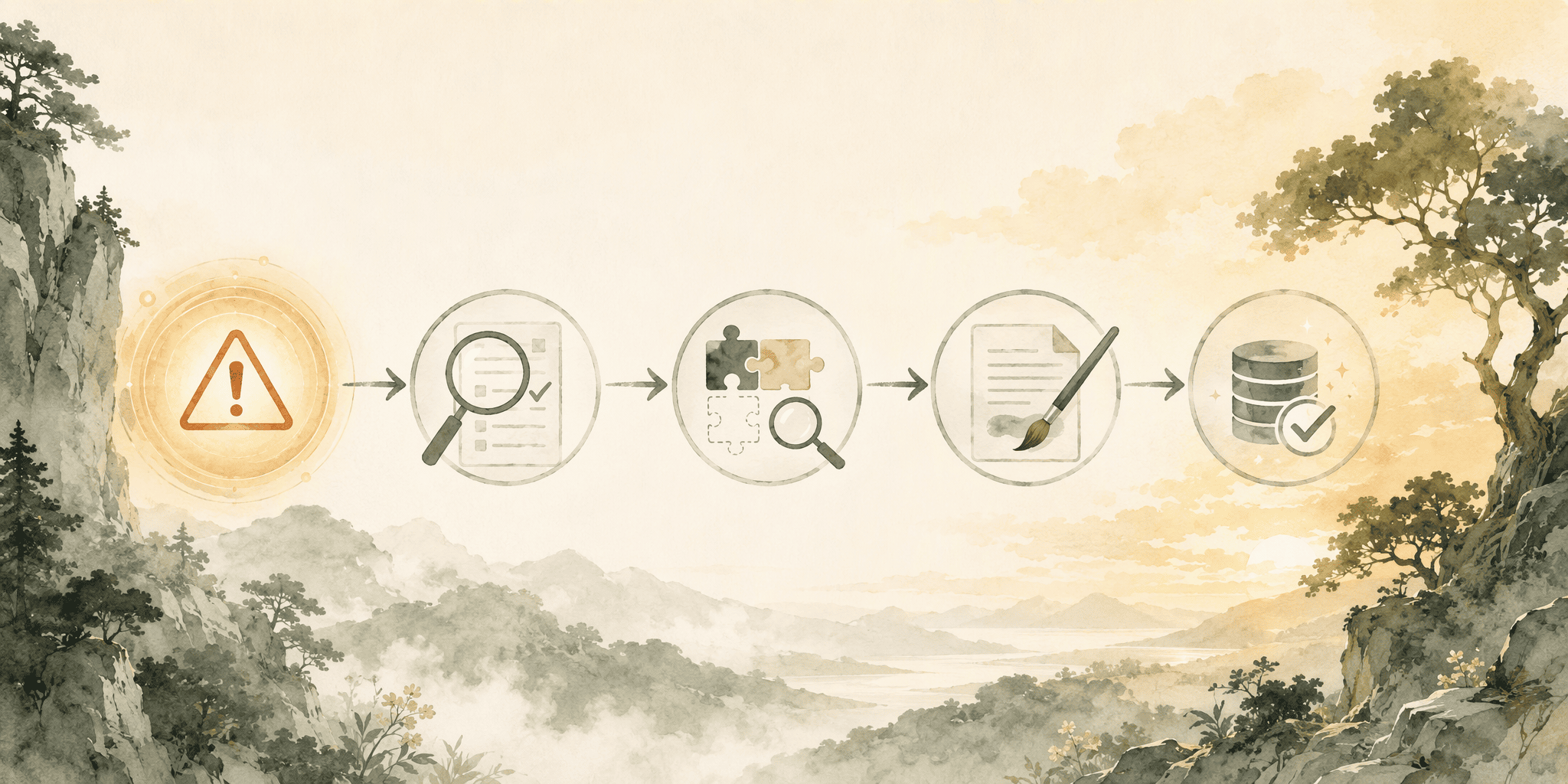
A hallucination alert arrives. Now you fix it, methodically. The alert starts a technical resolution process that turns a reputational problem into a hardened data asset. Your team must:
- Verify the damage scope by confirming the specific AI engine, the exact query that triggered the alert, and the verbatim erroneous claim.
- Link the hallucination to a concrete source gap, such as stale schema markup on a product page or a high-ranking third-party review containing outdated pricing that the model weights over your own Merchant Center feed.
- Execute the recommended source-gap fix, correcting conflicting JSON-LD, publishing a canonical LLMs.txt file with explicit legal and product attributes, or submitting an updated Knowledge Graph fact to Google's API.
- Immediately re-run the monitoring check to verify the hallucination is suppressed, closing the loop between detection and immunity.
Competitor Intelligence: Tracking Their Mentions and Stealing Their AI Share of Voice

A competitor analytics module repositions the tool from a defensive shield into an offensive weapon. Previously, a spot in a ChatGPT recommendation list felt like a black box outcome. A dedicated monitoring platform reveals the precise source citations, the specific case studies, authoritative domains, or structured data markups, that caused the AI response to favor a rival over your brand. This data lets you reverse-engineer the authority signal you need to construct, converting a marketing assumption into a systematic competitive displacement strategy.
High-value monitoring focuses on purchase-intent prompts. Tracking a competitor's visibility on a category-search prompt reveals how often they are recommended as a primary option. Monitoring a comparison prompt ('competitor X vs. your brand') surfaces the specific framing AI uses.
If a competitor captures the top recommendation position on a high-intent prompt because they maintain a thorough Google Merchant Center feed with precise schema while your feed is sparse, the tool reveals that technical gap explicitly. The fix becomes a structured data priority. This capability makes a free Siftly audit immediately valuable: it baselines whether the competitor's AI share-of-voice advantage originates from a simple data-feed gap you can close without a complete rebrand. The early-mover advantage in capturing these positions erodes as more brands run automated monitoring, making this trackable metric an immediate operational imperative.
Pricing an AI Monitoring Platform: What You Get at Every Tier
Defensive visibility against AI hallucinations starts cheap and gets serious fast. You can put a basic smoke detector on your most critical ChatGPT prompts for about $19 a month. That entry point confirms whether your brand shows up at all and captures the framing the model uses.
Single-engine tracking at this tier covers a focused set of high-priority prompts, the product pages and comparison queries where a fabrication hurts most. It answers one question: is the AI getting your brand right, or making things up? For many small teams, that alone closes the blind spot that was costing them deals.
The mid-market tier lands in the low hundreds of dollars per month. Multi-engine monitoring activates across all major AI surfaces. Sentiment analysis layers on top, separating a genuine product recommendation from a hedged mention buried in caveats.
Daily refreshed dashboards turn intermittent checking into a running operational feed, so you stop discovering problems in a quarterly review. Enterprise plans push toward $999 per month. The jump buys the competitive intelligence layer, simultaneous competitor benchmarking that tracks relative share of voice and reverse-engineers the source citations driving a rival’s AI recommendations.
You also get source-gap prescriptions: specific schema fields or Knowledge Graph entries to fix, itemized and actionable. That is the shift from diagnosing a hallucination to owning the fix.
For teams still building the business case, Siftly offers a free baseline audit across ChatGPT, Perplexity, and Google AI Overviews. It sizes the hallucination problem before a budget is allocated.
Beyond Monitoring: The Technical Fix to Stop AI Hallucinations at the Source
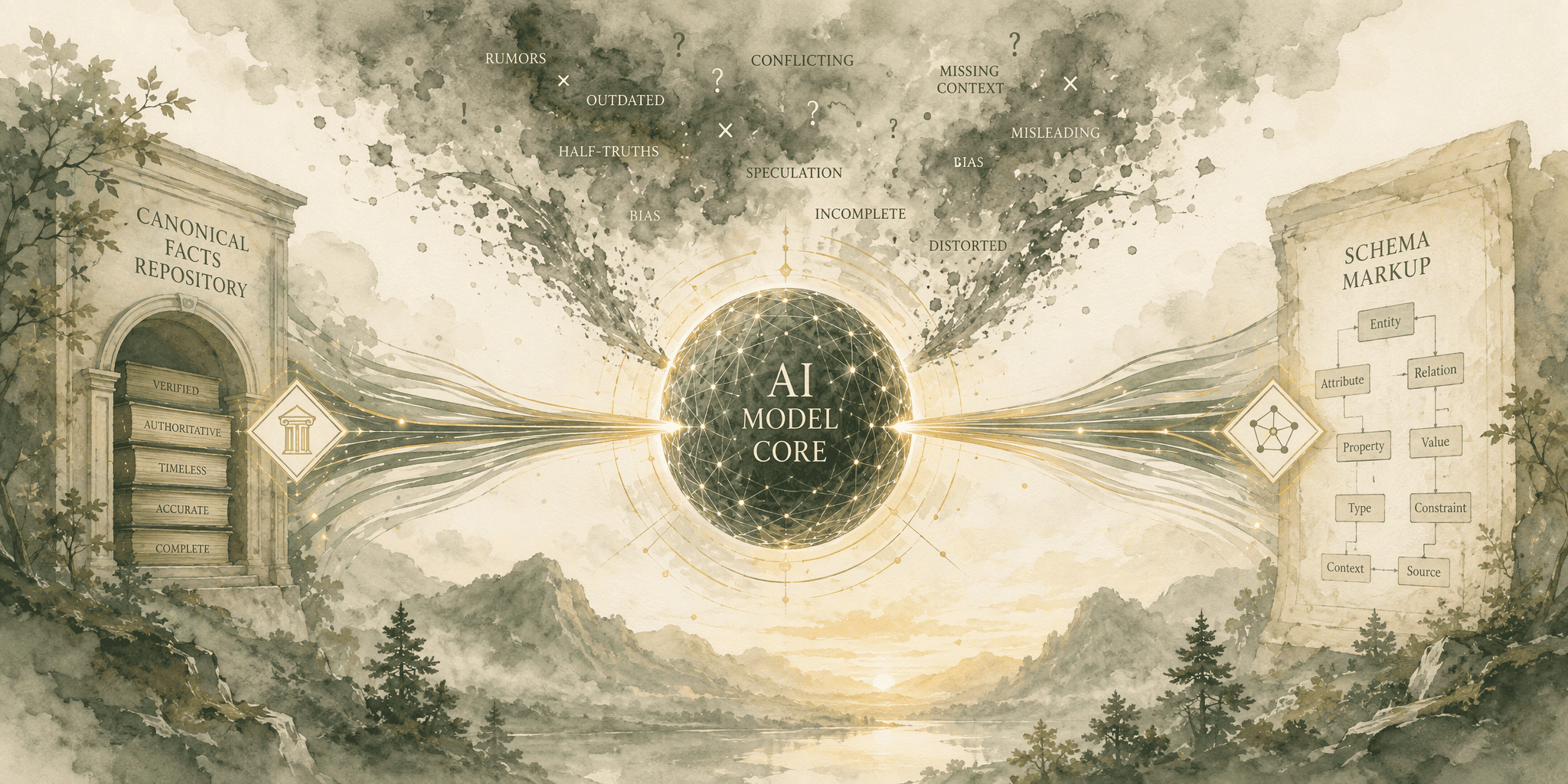
The alert is a diagnostic. The durable cure requires feeding AI models authoritative, machine-readable ground truth so precise that it overrides the conflicting signals that spawn hallucinations. Source gaps exist because the model cannot locate a definitive canonical claim for your entity, causing it to fall back to a probabilistic patchwork of forum posts, outdated articles, or competitor knowledge panels. The fix is constructing a structured data infrastructure that makes your corporate facts indisputable. Implementing Schema.org markup at theproduct page level directly feeds the model price, availability, and product description attributes it can cite verbatim, eliminating the space for a hallucinated pricing claim.
Broadening the signal requires publishing a thorough LLMs.txt file at your domain root, explicitly telling model crawlers which pages contain your official product specifications, leadership biographies, and compliance certifications. AI search engines do not index content; they extract entity facts. When a model scrapes your LLMs.txt and finds an authoritative URL for your compliance page, it anchors that claim rather than fabricating one.
Complement this with an updated Knowledge Graph entry on Google’s entity API that asserts the canonical relationship between your brand, its products, and its executive team. When40% of search queries flow through an AI decision layer first, the brand whose structured data provides the clearest single source of truth becomes the citation the model trusts, not because it likes you better, but because your data architecture removes ambiguity. This technical immunization moves you from constant reactive alert resolution to proactive, enduring brand safety in the generative AI era.
Conclusion
AI hallucination about your brand is a direct commercial threat, and the window for early detection immunity is open right now. The three-part framework: detect inaccurate mentions with automated multi-engine alerts that refresh daily, resolve them using actionable source-gap workflows that identify broken schema or conflicting feed data, and immunize your brand's future AI citations by deploying LLMs.txt, Knowledge Graph, and Schema.org corrections that make model hallucination structurally difficult. AI share of voice is the new SEO battleground. Monitoring platforms accessible from $19 per month make this capability available immediately. The early-mover advantage in locking down your core entity facts before competitors do will only narrow.
Frequently Asked Questions
How can I automatically detect when an AI model like ChatGPT or Gemini mentions my brand incorrectly?
Dedicated AI brand monitoring platforms run automated, query-based polling against AI engines daily. Tools like Brand Armor AI and Ainalytics execute your specific product and category prompts, then scan the generated response for factual errors, misattributed sources, and inaccurate pricing or compliance claims. They send you an immediate alert when a hallucination is detected, typically refreshed within every 24 hours.
What tools exist that monitor brand mentions across multiple AI engines simultaneously?
Several platforms provide multi-engine monitoring. Brand Armor AI, Ainalytics, and OversAI all simultaneously watch ChatGPT, Claude, Gemini, Grok, and Perplexity, while Astiva extends coverage across 10 platforms including Meta AI and Mistral. Siftly also provides automated daily monitoring across ChatGPT, Google AI Overviews, Gemini, and Perplexity.
Can I set up real-time alerts for negative or inaccurate AI-generated claims about my products or pricing?
Yes. Advanced monitoring tools unmask hallucination on pivotal purchase-intent items. Brand Armor AI detects when ChatGPT fabricates claims about pricing, compliance, or product specs and provides evidence for correction. Ainalytics flags anomaly alerts within its weekly scorecard, ensuring a false product discontinuation or pricing error is caught before it impacts sales conversations.
How much does an AI brand monitoring and alerting platform typically cost for a business?
Pricing ranges from entry-level to full enterprise. Ainalytics starts at $19 per month for single-engine ChatGPT tracking. Mid-market multi-engine monitoring with sentiment analysis lands in the low hundreds monthly. An all-engine enterprise plan with competitor intelligence reaches approximately $999 per month. Platforms like Siftly offer a free audit to baseline your visibility before paid commitment.
What is the difference between basic AI citation tracking and a tool that provides actionable recommendations to fix incorrect mentions?
Basic tracking functions as a metering tool, telling you whether a brand was mentioned at all. Actionable monitoring reveals whether the mention was accurate, positive, and correctly positioned. It physically diagnoses the source gap responsible for the hallucination, identifying a missing Schema.org property or conflicting Knowledge Graph claim, and prescribes an operational data fix you can execute directly.
Is it possible to track how competitor products are mentioned alongside my brand in AI-generated shopping results?
Yes. A competitive analysis dashboard, such as the module in Brand Armor AI, directly benchmarks your recommendation frequency against named rivals on identical prompts. It tracks a competitor’s relative position, share of voice, and the specific source citations causing the AI to recommend them in category, comparison, or shopping-intent results.
Sources
Keep exploring
More from the blog.

Oct 21, 2026
8 Most User-Friendly Brand Tracking Platforms for Beginners in 2026
You launched the product, optimized the site, and started posting. A week later, the question hits: is anyone actually talking about my brand

Oct 21, 2026
7 Best AI Brand Monitoring Tools for 2026
AI search engines don't index content; they extract it. For a brand manager, that shift creates a painful blind spot

Oct 20, 2026
7 Best Solutions to Optimize Content for ChatGPT Product Recommendations in 2026
Traffic from traditional search collapsed by 27% year-over-year in April 2026, while AI platform referrals surged 527%. Product discovery is no longer a game