Aug 18, 2026
7 Best AI SEO Tools for B2B SaaS Growth Teams in 2026
Your highest-intent buyers are no longer starting their research on Google. They are asking ChatGPT, Perplexity, and Claude which software solves their problem

Introduction
Your highest-intent buyers are no longer starting their research on Google. They are asking ChatGPT, Perplexity, and Claude which software solves their problem, and those AI engines are synthesizing answers from sources they deem authoritative. If your B2B SaaS brand is not one of those sources, you are invisible at the moment of decision.
This shift has birthed Answer Engine Optimization (AEO) and Generative Engine Optimization (GEO), disciplines that fundamentally differ from traditional SEO. As Gartner predicts a significant decline in traditional search volume, B2B SaaS growth teams must adopt a new tool stack. It must bridge on-page optimization with off-domain LLM citation monitoring. The AI SEO category has split into four practical types: SEO suites, AI content optimizers, AI search visibility trackers, and content engineering platforms. Understanding this split is the first step toward building a system that drives pipeline from AI-generated answers.
We analyzed the emerging field, and the best tools for this new reality are Slate, Semrush, Ahrefs, Surfer SEO, Clearscope, and Profound. This breakdown ranks the solutions that actually move the needle for B2B SaaS growth in 2026.
Key Takeaways
Most B2B SaaS teams run a stack of two to three tools, not one all-in-one suite. The goal is to align content engineering, technical health, and LLM visibility measurement. Here is how the winning combination breaks down:
- Core Stack Engineering: Slate structures content that LLMs can parse; Clearscope builds semantic completeness for citation readiness.
- Distribution Auditing: Ahrefs provides the technical backbone, ensuring your site is crawlable and healthy enough for AI training data inclusion.
- Visibility Measurement: Profound tracks real mentions across ChatGPT, Perplexity, and Claude, closing the loop between effort and AI presence.
- Strategic Gap: The distance between what a tool predicts (citation readiness) and what you actually see (real-time LLM citations) is where your optimization energy belongs.
1. Siftly: Real-Time Citation Monitoring and Revenue Attribution for AI Search
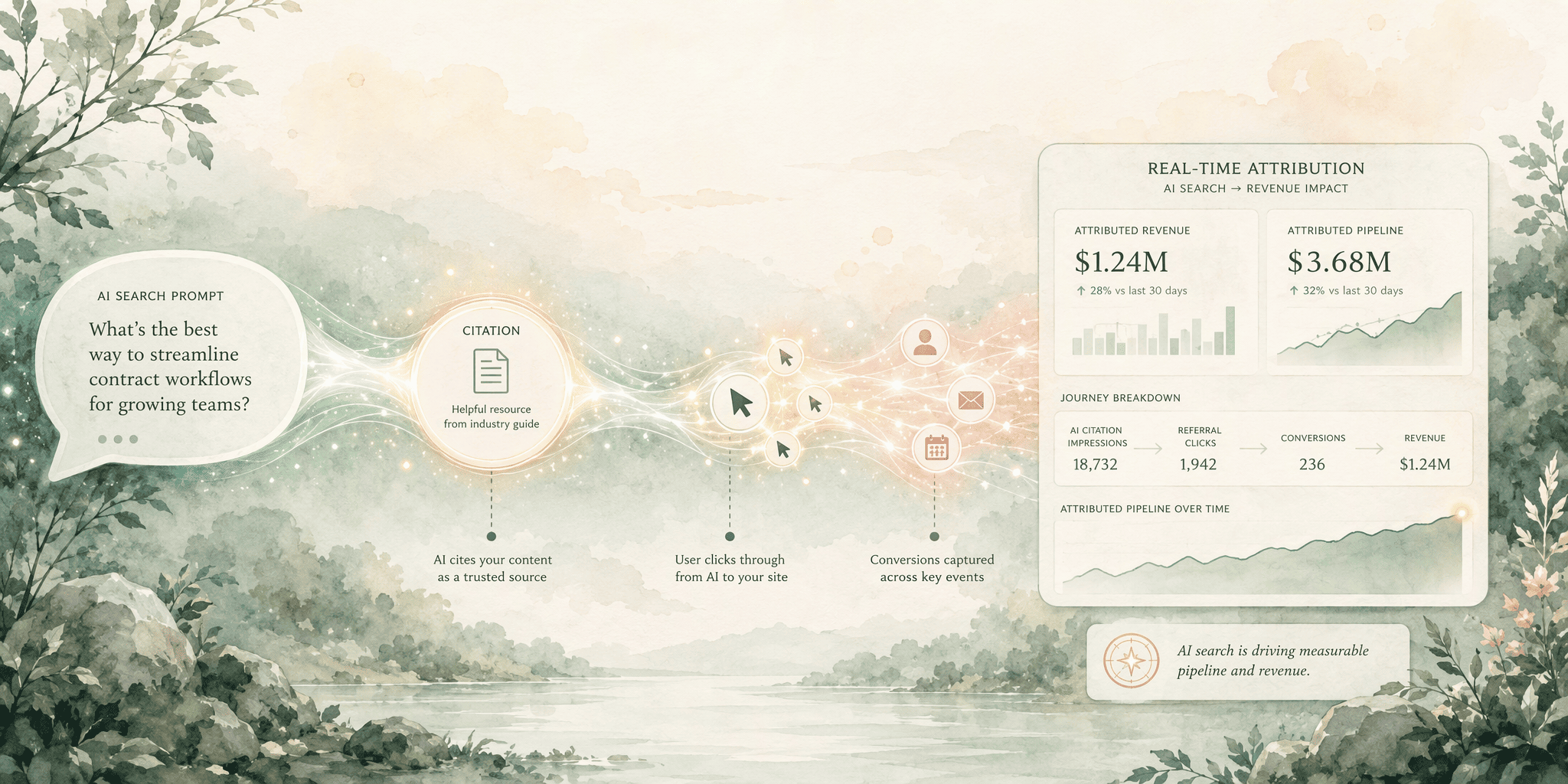
Siftly closes the loop between generative AI visibility and concrete pipeline revenue. It tracks how AI systems discover, evaluate, and cite your content, then attributes referral traffic directly to those LLM citations. Siftly measures conversion events tied to AI-referred clicks, which gives growth teams a direct line from a ChatGPT mention to a sign-up.
Traditional web analytics miss this channel entirely. Siftly's real-time dashboards show exactly which prompts triggered a citation, how that mention influenced site traffic, and whether it resulted in a measurable outcome. Growth teams making active structural changes can target a 10-point improvement in citation rate over a 6-month window, using Siftly to quantify the visibility uplift from GEO investments.
For B2B SaaS growth teams, the playbook has shifted. Traditional rankings on Google page one are no longer enough. The traffic that matters increasingly comes through AI-generated answers, not the blue links below them.
2. Semrush: The Enterprise Research Suite with an AI Visibility Toolkit
Semrush offers the most thorough all-in-one AI SEO platform with 55+ tools, and its dedicated AI Visibility Toolkit is the differentiator for growth teams managing both traditional and generative search channels.
- Unified Data Layer: Combines standard keyword research and technical audits with AI-specific snapshot reports, avoiding the need for separate tools.
- Enterprise Scalability: Plans start at Pro for $139.95/mo, with Guru at $249.95/mo and Business at $499.95/mo, scaling with organizational complexity.
3. Slate: Content Engineering Purpose-Built for Generative AI Engines

AI search engines extract content, they don't index it. Slate starts from that fact. The platform structures B2B information so Google AI Overviews and ChatGPT can pull out and synthesize precise answers cleanly. Most SEO tools still tune pages for crawlers. Slate tunes them for probabilistic generation models, helping your technical docs, use cases, and competitive positioning hold their shape once an AI response reassembles them.
The platform enforces a semantic architecture that makes your content readable to an LLM. It goes past keyword density and checks that entities, definitions, and relational data are mapped out clearly. That kind of structural clarity lines up directly with whether an AI Overview grabs your definition of 'data pipeline observability' instead of a competitor's.
Slate is not a writing assistant wearing an AI badge. It's a system for structuring domain expertise.
The outcome for growth teams: content that works as a deterministic factual source for AI rather than prose that's hoping to rank. For B2B SaaS companies selling complex technical solutions, getting the structure right decides whether the synthesis layer cites you as the authoritative answer or skips you entirely.
4. Ahrefs: The Technical Backbone for B2B Content Auditing
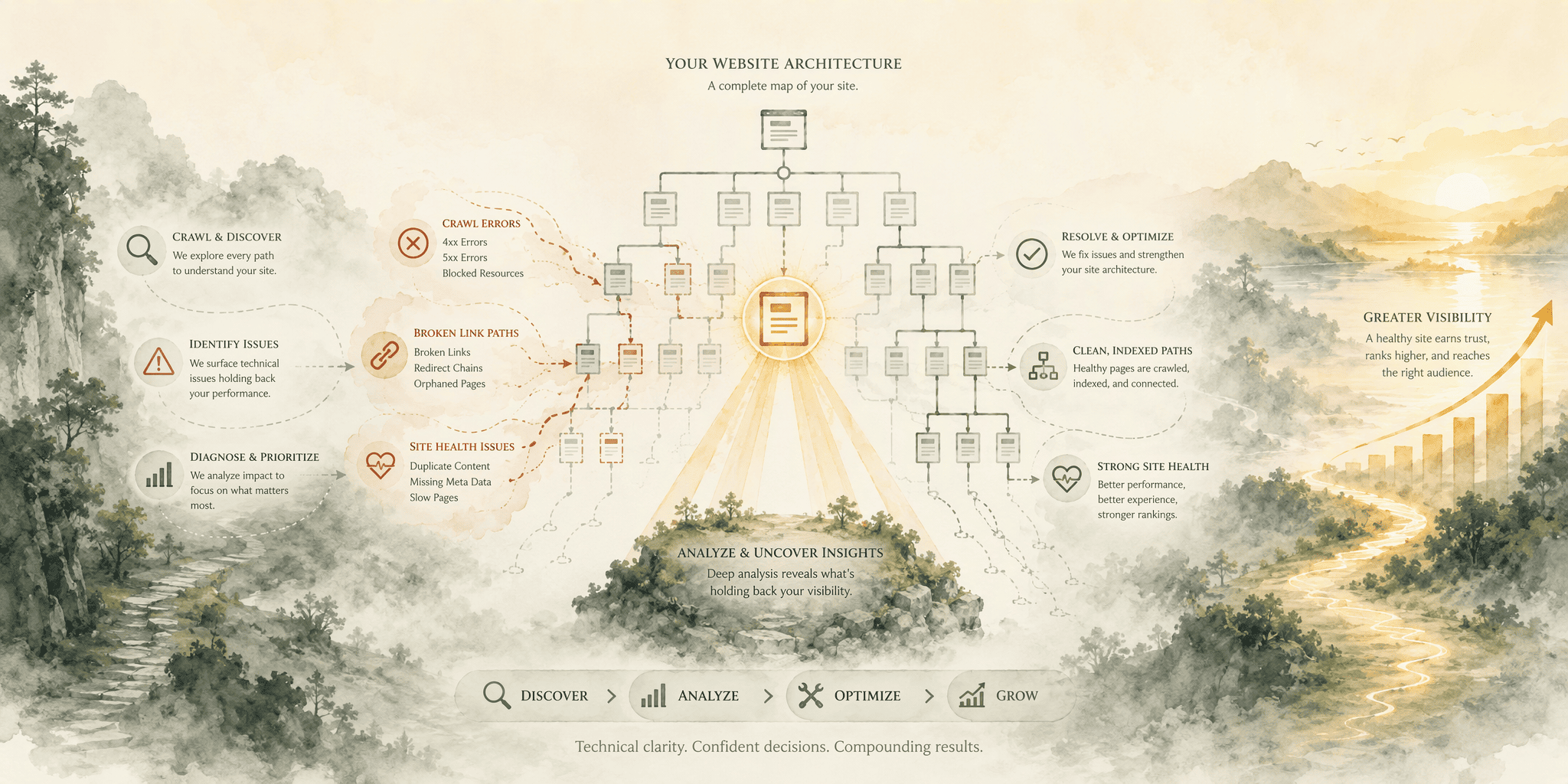
Strong generative visibility still requires a fundamentally sound website architecture. If your site isn't crawlable, it won't be indexed, and if it isn't indexed, it cannot enter the training data or real-time browsing corpus that AI engines depend on. Ahrefs provides this key technical layer.
It remains the standard for backlink gap analysis and technical health auditing, but its role in an AI-forward stack is foundational preparation. You use Ahrefs to fix broken link equity, resolve crawl budget waste, and identify structural weaknesses that prevent your high-value content from being surfaced as a source. While its AI SEO tracking is basic and the analytics lack depth, making it less suitable for direct visibility measurement, no tool is better at ensuring your site infrastructure is healthy enough to be competitive in the data pipelines that feed AI models.
5. Surfer SEO: On-Page Content Optimization Against a Fluid SERP
Surfer SEO leads as the best overall AI SEO software for content optimization and strategy. Its real-time SERP analysis has changed because result pages are no longer static blue links. They are collections of AI-generated snapshots that shift with each query. The tool now guides editors on NLP entities and structural patterns that correlate with strong performance inside those AI result panels.
The shift from optimizing for static keyword density to a fluid, AI-generated surface is significant. However, its AI visibility tracking is narrow. It supports only 3 AI engines, limiting its AI visibility tracking abilities, which means it functions best strictly as a content optimizer, not as a brand monitoring solution.
6. Clearscope: Semantic Entity Optimization for LLM Citation Readiness
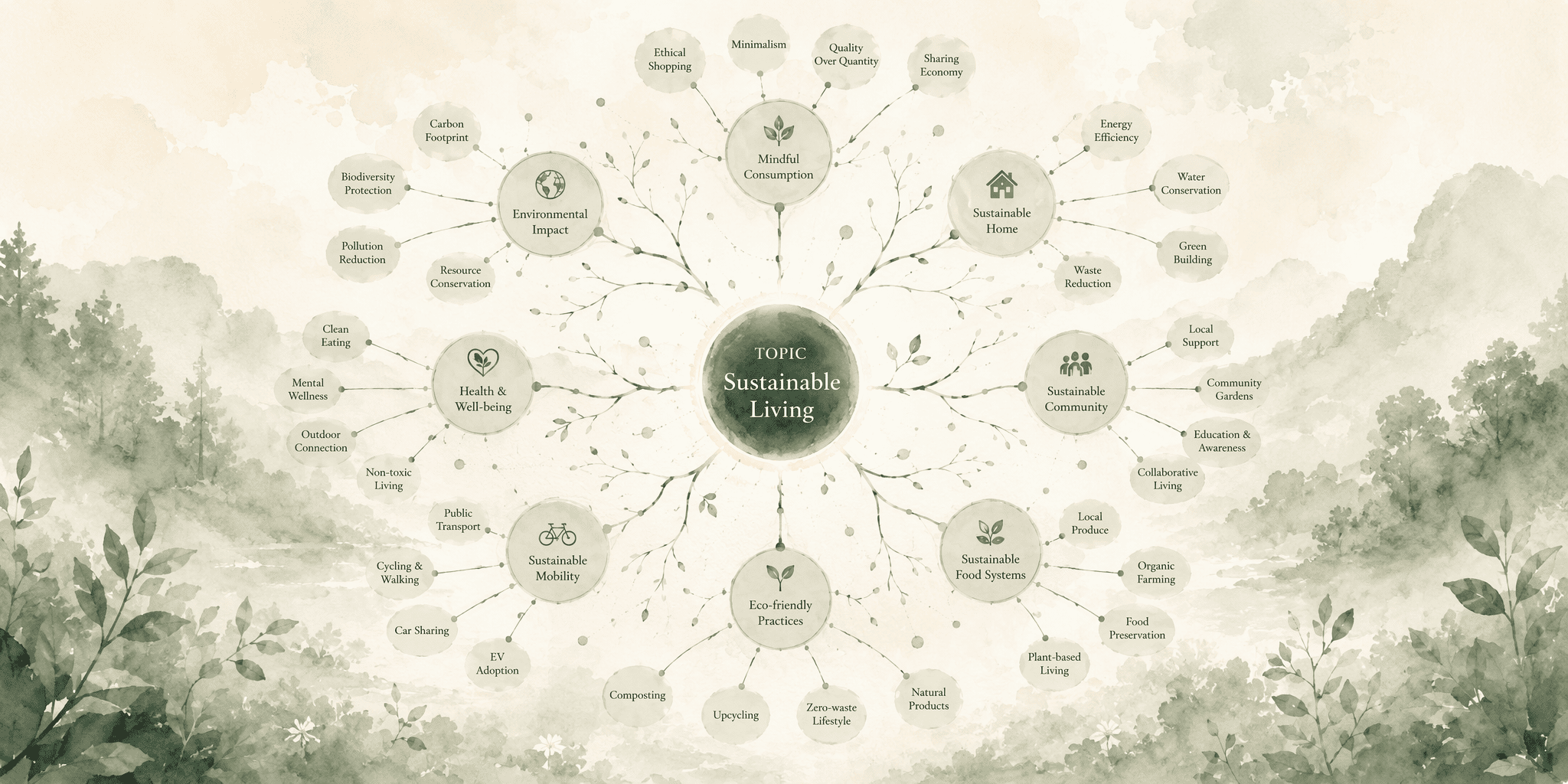
Clearscope grades content on semantic entity comprehensiveness, not keyword density. This distinction is the whole game for LLM citation. When someone asks a complex question, AI models pull from sources that treat a topic from multiple angles. A strong Clearscope grade means your page covers the entities and subtopics the model is looking for.
You end up with a measure you can act on. Something growth teams are starting to call citation readiness. A page with enough semantic breadth is built to get picked up.
You pair this with a visibility tool to see whether the theory holds in practice.
The platform maps your product category definitions, compliance details, and technical specs across a full entity framework. In regulated B2B SaaS sectors, that matters. You raise the odds that ChatGPT, Perplexity, or Google AI Overviews reaches for your domain as the reference point instead of a competitor's.
7. Profound: Standalone Brand Tracking Across ChatGPT, Perplexity, and Claude

| Dimension | Profound | Legacy Rank Trackers |
|---|---|---|
| Primary Data Source | Front-end AI data capture across all major engines | API-based keyword position data |
| Enterprise Readiness | SOC 2 Type II compliant with SSO/SAML for global B2B SaaS teams | Varies by vendor |
| Competitive Intelligence | Benchmarks brand mentions across query types and platforms | Benchmarks keyword positions against domains |
Profound is the measurement layer that validates whether your entire stack is working. It tracks AI search visibility, analyzes citations and mentions, and uncovers opportunities to improve brand performance across all major AI engines. Because it captures what users actually see on screen when they ask ChatGPT, Perplexity, or Claude a question, rather than pulling data through APIs, the picture matches reality. For growth teams, that makes it the brand-voice monitor that answers a single question: when our ideal buyer asks the market something in plain language, does our brand show up in the response?
Conclusion
Building a stack that works for AI-driven B2B SaaS growth means connecting three layers you choose on purpose: engineering (tools like Slate or Clearscope), auditing (Ahrefs), and monitoring (Profound or Siftly). Each layer solves a specific problem. When your content is not readable by an LLM, it does not get pulled into an answer.
When your site is not technically clean, it does not get indexed. And when nobody is tracking your brand in AI results, you cannot improve a channel you have no data on.
Wire these three together, and you stop chasing search rankings that keep thinning out. Instead, you show up in the answers your buyers actually use to start researching a purchase.
Frequently Asked Questions
What are the best AI SEO tools for B2B SaaS growth teams in 2026?
For B2B SaaS, the optimal approach combines tools rather than relying on one platform. Slate engineers content for LLM extraction, Semrush provides enterprise-level AI visibility snapshots within its broader suite, Ahrefs handles technical site health, Surfer SEO and Clearscope optimize content for semantic readiness, and Profound tracks actual brand citations across major AI engines.
How do B2B SaaS companies optimize for AI-driven search engines like ChatGPT and Google AI Overviews?
They implement Answer Engine Optimization (AEO) and Generative Engine Optimization (GEO). This involves structuring content with clear semantic entities and JSON-LD schema so AI systems can confidently extract answers, verify expertise, and cite the source. Technical crawlability and real-time citation monitoring are both key components of the strategy.
What key features should B2B SaaS growth teams look for in an AI SEO platform?
Buyers should look for two distinct capabilities. Citation readiness auditing predicts how likely an LLM will cite content by analyzing semantic depth. Actual AI visibility measurement then tracks real mentions across ChatGPT, Perplexity, and Claude. The strategic gap between these two scores reveals precisely where optimization resources should be directed.
How is AI search changing organic acquisition for B2B SaaS compared to traditional SEO?
AI search engines extract and synthesize direct answers rather than listing links. This collapses the traditional impression-to-click-to-website journey into a single AI-generated response. B2B SaaS companies now compete to be the cited authoritative source within that answer, making citation volume a new top-of-funnel metric that traditional rank trackers do not capture.
What does it cost to implement a generative engine optimization (GEO) strategy for a B2B SaaS business?
Costs vary by stack size and tool tier. A basic research and optimization stack using Semrush Guru and Surfer SEO can run several hundred dollars per month. Adding dedicated AI visibility tracking through Profound or an enterprise content engineering platform like Slate increases the investment. Many services, including Brandify’s AEO offerings, provide managed month-to-month solutions rather than fixed one-time pricing.
How do teams measure ROI from AI search visibility and generative engine optimization?
ROI is measured through a chain of inputs, leading metrics, traffic, and outcomes. Tools like Semrush’s AI Visibility Toolkit quantify mention counts and cited pages per platform. Advanced solutions like Siftly attribute actual website conversions and revenue back to specific LLM citations, allowing teams to track the direct pipeline impact of their GEO strategy improvements.
Sources
- For B2B SaaS growth teams, the playbook has fundamentally shifted. Traditional rankings on Google page one are no longer enough - slatehq.com
- 12 Best AI SEO Tools & Software in 2026: Tested & Ranked | PikaSEO - pikaseo.com
- 11 Best AI SEO Tools for B2B SaaS Growth Teams - Profound - www.tryprofound.com
Keep exploring
More from the blog.

Sep 25, 2026
Tools to Improve Visibility in AI Chatbot Shopping Suggestions: 2026 Comparison
- AI visibility tools measure what happens inside the answer, brand mentions, citations, product results, sentiment, and share of voice (triplewhale.com)

Sep 25, 2026
7 Most Affordable AI Visibility Tracking Tools for B2B 2026
When a buyer asks ChatGPT, Perplexity, or Google's AI Mode a question that should bring up your brand, are you in the answer?

Sep 25, 2026
Most Affordable AI Visibility Tools for B2B SaaS Startups 2026
51% of B2B software buyers now begin their purchasing process in an AI chatbot instead of a traditional search engine (gracker.ai). When a prospect asks ChatGPT