Shopping Competitor Analysis
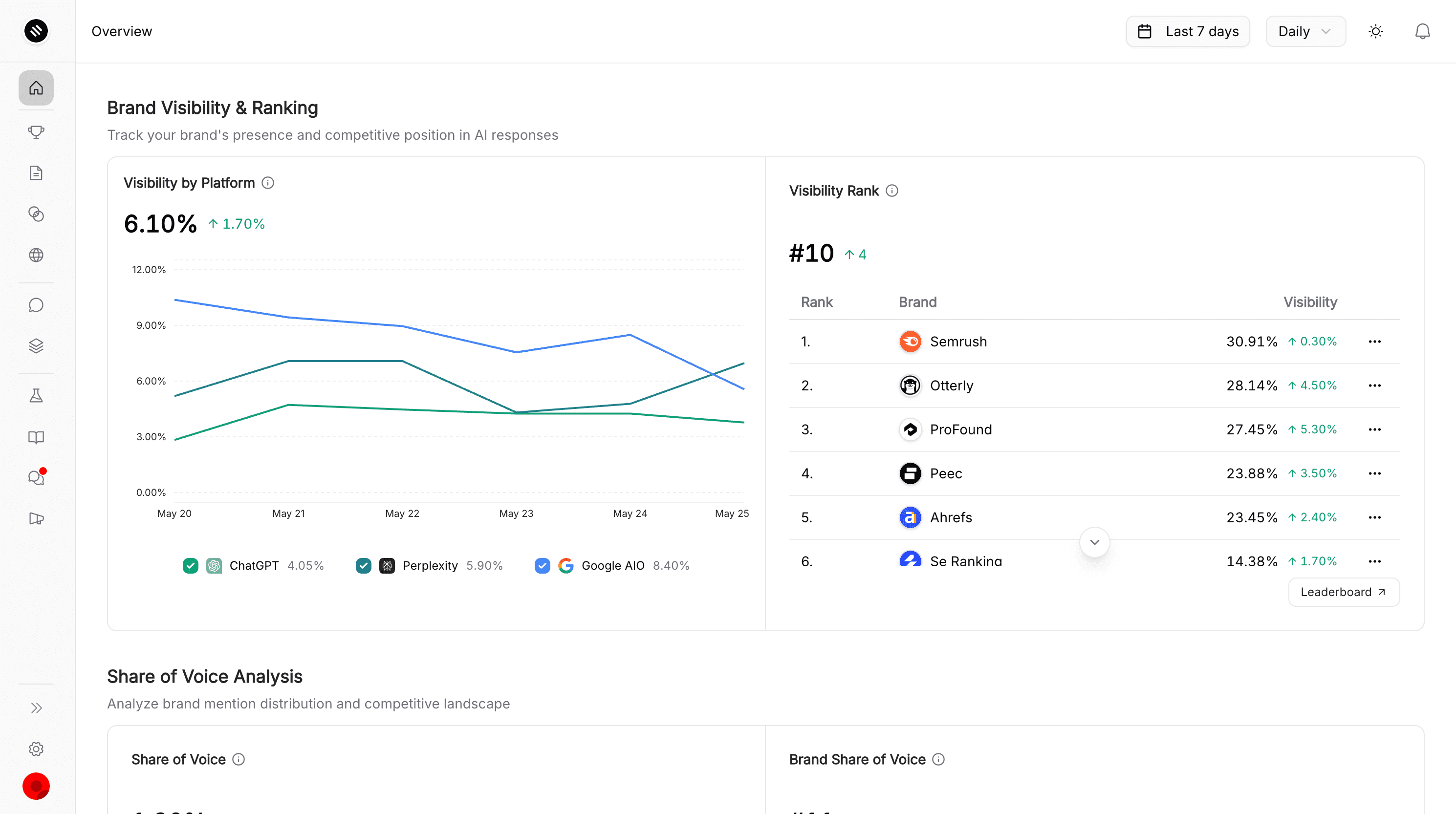
Siftly Shopping Competitor Analysis shows which competitors appear alongside your products in AI shopping answers — per product, per prompt, per geography. Get the co-appearance leaderboard, rank-gap and RPI gap for each.

The Shift To AI Search Is Measurable
Buyers are already shopping through AI, and the demand is measurable. The trend has produced its own discipline — generative engine optimization — now documented by Search Engine Land, Forbes, and arXiv research.

Agentic commerce demand
According to Semrush (US, 2026), demand for 'agentic commerce' is at ~3,600 monthly searches and trending up.
ChatGPT shopping searches
'chatgpt shopping' draws ~1,300 monthly US searches (Semrush).
Google product guidance
Google publishes guidance on AI-features eligibility for product pages (Search Central).
AI Shopping Is Now A Distinct Channel — And Citation Share Is The New Rank
A channel of its own
AI shopping has broken off from web search into a channel of its own, and demand backs it up: ~3,600 US monthly searches for 'agentic commerce' and ~1,300 for 'chatgpt shopping'.
Buyers ask assistants first
With Google AI Mode's 2026 launch and ChatGPT Search reaching general availability, buyers increasingly ask an assistant instead of scrolling ten blue links.
Citation share is the scoreboard
How often AI engines cite and recommend you is displacing classic rank as the metric that matters.

You're Losing AI Shelf Space — And Standard Tools Can't See It
You can't see the AI shelf
When a shopper asks ChatGPT for the best product in your category, you don't know whether you show up in AI answers today — or which competitor shows up instead. ~1,300 US shoppers a month already search 'chatgpt shopping'.
Rank trackers can't help
No standard tool tells you which competitor appears in a ChatGPT shopping answer, by how much, or the delta you'd need to overtake them. There's no ChatGPT visibility tracker in your stack showing which prompts you win and lose.
The loss stays unmeasured
So shelf space erodes silently. The loss is fully measurable — but for most brands, it stays unmeasured until revenue drops.
Every view spans all 9 AI surfaces: ChatGPT, Gemini, Claude, Perplexity, Google AI Overviews, Google AI Mode, Copilot, AI Shopping, and Groq.

Track, Optimize, Measure — In One Loop
Track
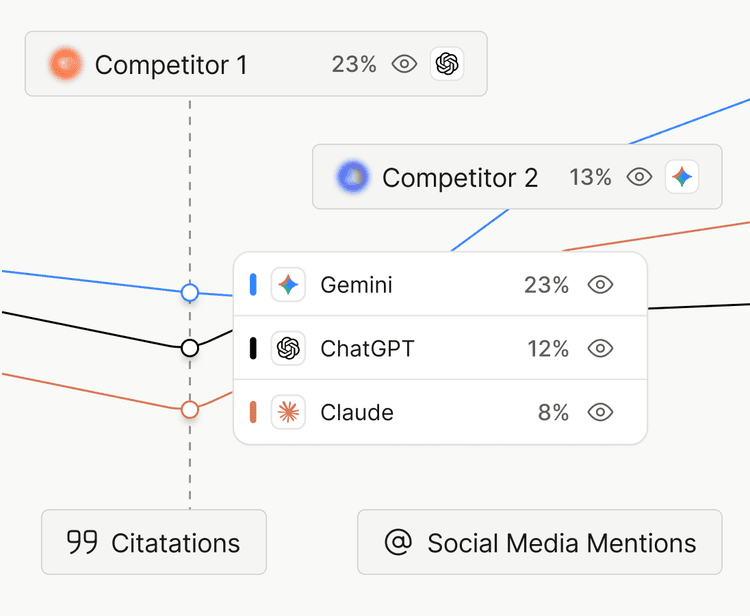
On a scheduled cadence, Siftly runs the prompts buyers actually ask these LLMs and reads the responses to see where your brand stands. It spans 9 AI engines — ChatGPT, Gemini, Claude, Perplexity, Google AI Overviews, Google AI Mode, Copilot, AI Shopping, and Groq. The result is co-appearance and rank-gap data — effectively an AI share-of-voice tracker showing which competitors show up instead of you.
Optimize
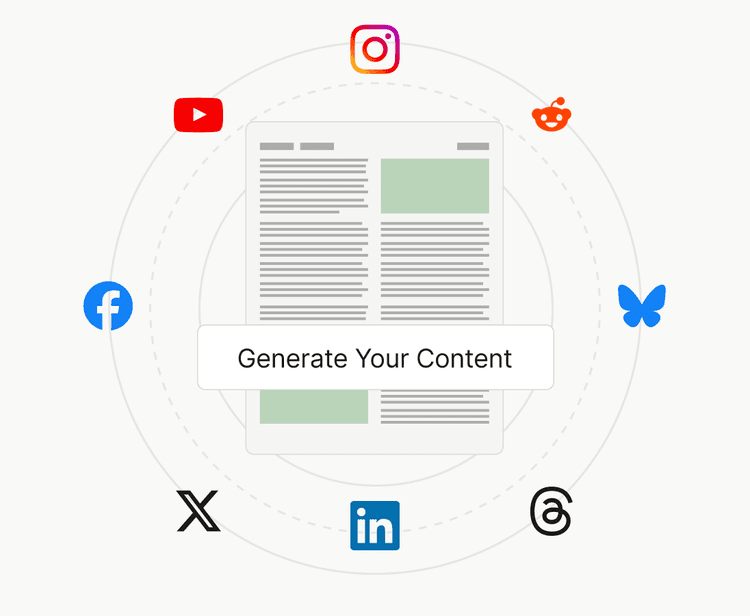
Closing that gap starts with content reverse-engineered from the sources AI engines actually cite. Siftly generates content around those prompts; as it gets picked up, AI engines start recommending the brand. For product catalogs, AI Shopping Optimization tunes titles, descriptions, metadata, and Merchant Center feeds so the product becomes the AI recommendation.
Measure
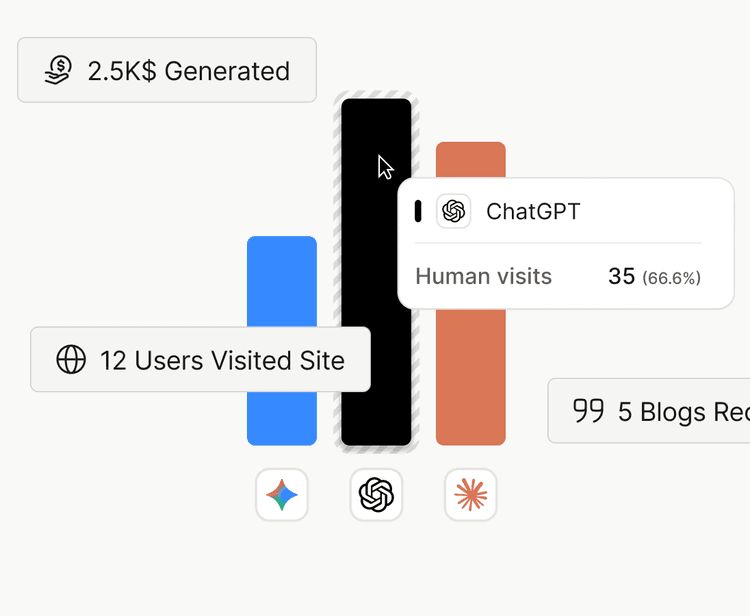
Impact Measurement closes the loop — tracking AI-bot crawl, response visibility, citation movement, and traffic, lead, and revenue attribution where tracking is available.
What The Co-Appearance Leaderboard Tracks
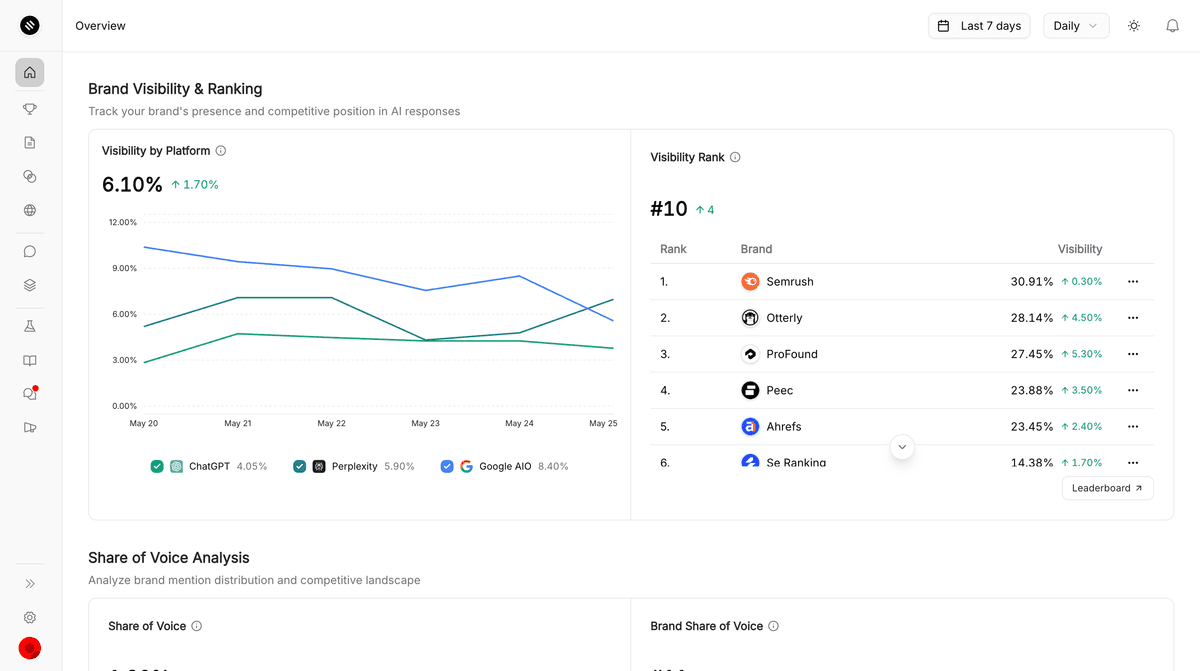
Co-appearance leaderboard
Ranks every competitor appearing alongside your product in AI-generated shopping answers, so you see who's winning each shelf — down to the prompt, product, and country level.
Rank gap per competitor
The numeric delta between your rank and each competitor's, per prompt — plus the RPI gap you'd need to close to overtake them.
Share of Shelf (7-day rolling)
The percentage of AI shopping responses your products appear in across tracked prompts, smoothed over a rolling window.
Brand and competitor visibility across AI platforms by prompt, platform, rank, mention, citation, and geography, with trends over time — across all 9 AI surfaces.
Not A Dashboard. An Execution Loop.
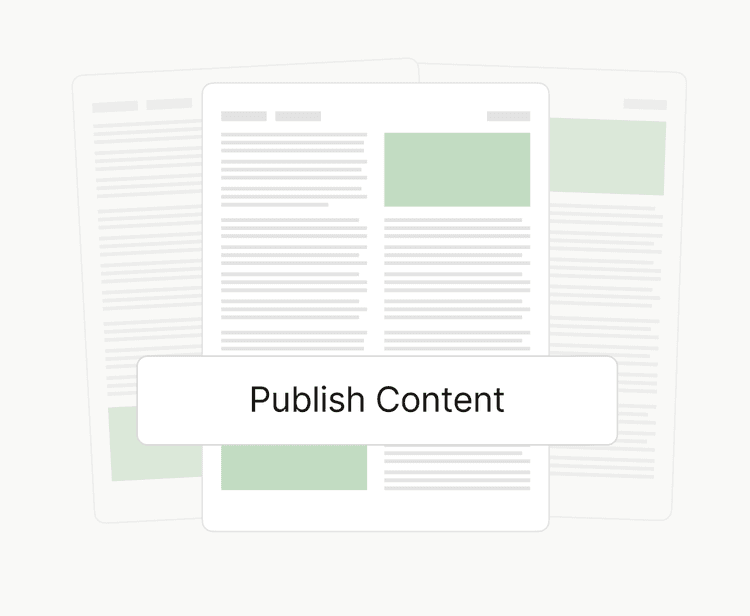
End-to-end GEO execution
Tracking, AI-optimized content, CMS publishing, and impact measurement live in one workflow. A dashboard tells you you're invisible in ChatGPT; an execution loop closes the gap.
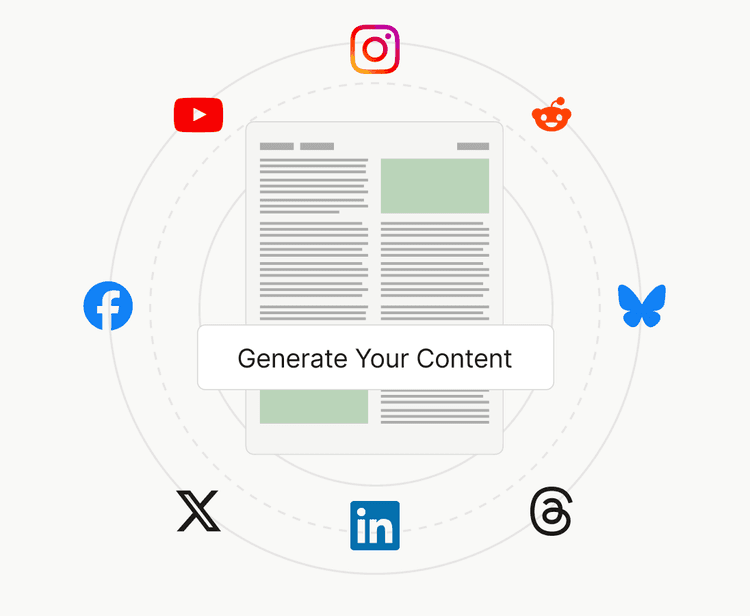
Content reverse-engineered from real citations
We build from the sources AI engines actually cite, not guesswork, so your pages match the patterns models already trust.
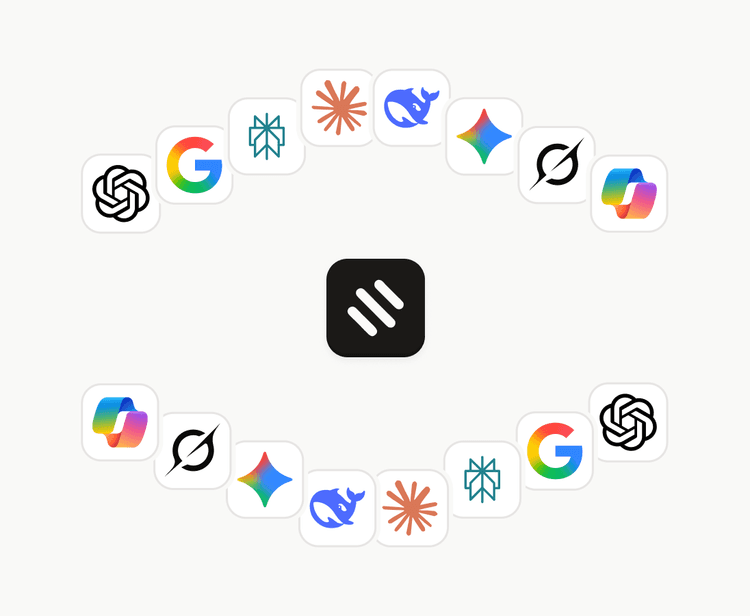
9 AI engines, not one surface
Most AI citation tracking tools watch a single platform. Siftly tracks visibility across 9 — ChatGPT, Gemini, Claude, Perplexity, Google AI Overviews, Google AI Mode, Copilot, AI Shopping, and Groq.
Every capability, in depth
Brands Already Winning AI Shelf Space

Before working with Siftly, Domu had no meaningful visibility across AI search platforms. Within a month, we moved from not showing up at all to ranking #9, with visibility gains across Google AI Overviews, Perplexity, and ChatGPT. Siftly gave us a clear view of where we stood, what was driving visibility, and what actions could move us further.
Siftly helped us grow revenue from ChatGPT by 3.5x month over month. More importantly, it showed us AI search is a real, measurable revenue channel, not just hit-or-miss visibility. The on-brand content Siftly creates keeps KIWABI showing up consistently across ChatGPT and Google AI Mode.
Siftly has been a supportive partner as we've worked on AI search visibility for our customers in Japan. They've been responsive, fast to fix bugs, and proactive about improving results. We're now seeing leads come through Google AI Overviews and ChatGPT, which has made AI search a channel we can take to market.
Questions about AI shopping competitor analysis
What the field says about AI search
Chalam PVS is the Founder of Siftly.
Your Next Customer Is Already Asking AI
See if AI recommends you — or your competitors.
Run My Free Audit


Ready To Win AI Search?
Siftly Shopping Competitor Analysis shows which competitors appear alongside your products in AI shopping answers — per product, per prompt, per geography. You get a co-appearance leaderboard, the average rank-gap to each competitor, and the RPI gap, so you know exactly which competitor is winning each shelf and what it takes to overtake them.
Get started