Buy-Button Ownership — control your margins in AI shopping
Siftly Buy-Button Ownership measures the share of AI shopping responses where the buy link points to your D2C store rather than Amazon, Walmart or Target. See, per product, how often AI sends shoppers straight to you — at full margin.

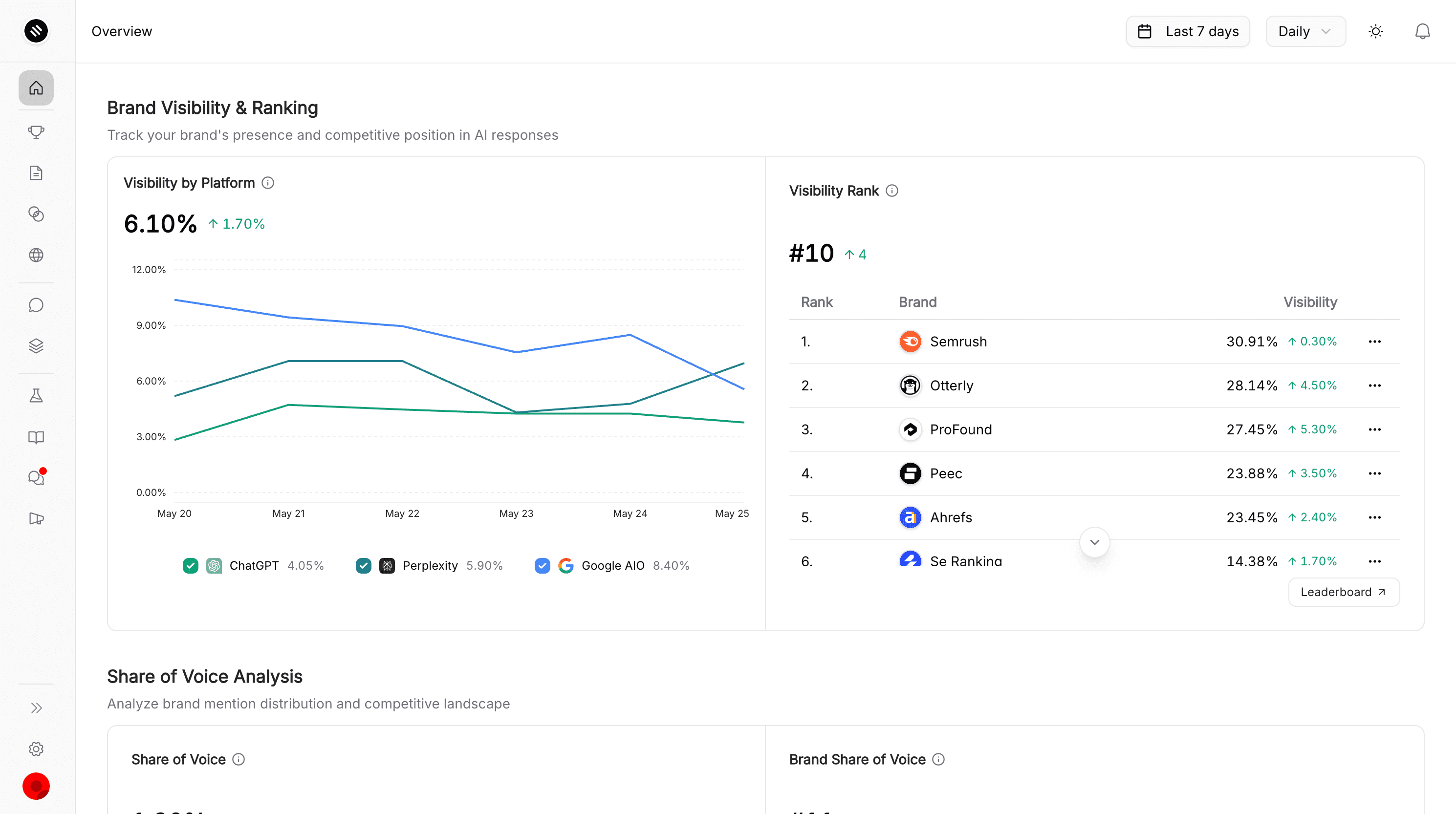
AI Shopping Is Already a Measurable Revenue Channel
Buyers are already shopping through AI. Americans run roughly 3,600 monthly searches for 'agentic commerce' and another 1,300 for 'chatgpt shopping' — demand signals for a channel that didn't exist two years ago. That shift has produced its own discipline: generative engine optimization, now documented by Search Engine Land, framed as the future of search by Forbes, and formalized in arXiv research.

Agentic commerce demand
According to Semrush (US, 2026), demand for 'agentic commerce' is at ~3,600 monthly searches and trending up.
ChatGPT shopping searches
'chatgpt shopping' draws ~1,300 monthly US searches (Semrush).
Google product guidance
Google publishes guidance on AI-features eligibility for product pages (Search Central).
AI Search Has Become The Primary Product Research Channel
AI search is reshaping discovery
Buyers now research products through ChatGPT, Claude, Perplexity, and Google AI — not just Google Search. Your brand needs visibility wherever AI recommendations happen, or a retailer captures the click.
Demand signals are rising
Semrush reports roughly 3,600 monthly US searches for 'agentic commerce' and 1,300 for 'chatgpt shopping' — a channel that didn't exist two years ago.
AI visibility is the next SEO
Google Search Central, Search Engine Land, Forbes, and arXiv research now treat generative engine optimization as an emerging discipline. Tracking AI visibility is becoming table stakes.

D2C Brands Lose the Buy Button by Inaction, Not by Design
Surfaces favor the strongest feed
AI shopping surfaces — ChatGPT Search, now generally available, and Google AI Mode — default to whoever owns the strongest retail feed and editorial coverage.
Lost passively, not by design
D2C brands don't lose the buy button by design; they lose it passively, ceding it to Amazon, Walmart, and Target.
Referrals cost margin and data
A retailer referral means thinner margin and no customer data; a D2C buy link keeps full margin and the owned customer.
With ~3,600 US monthly searches for 'agentic commerce' and ~1,300 for 'chatgpt shopping', citation share is replacing rank as the primary KPI.

2026: Citation Share Is Replacing Rank As The Primary KPI
AI search has changed
Google AI Mode, ChatGPT Search, and AI Shopping have transformed how people discover products. Buyers increasingly ask AI before Google, creating new places to win — or lose — the buy button.
Demand is easy to measure
Search interest reflects the shift: agentic commerce now generates roughly 3,600 monthly US searches, while ChatGPT shopping sees around 1,300, signaling growing adoption.
Citation share is the new KPI
Success is no longer defined by blue-link rankings. Brands now measure citation share, AI referrals, and buy-button ownership across AI answers to understand true market presence.
How It Works: Track → Optimize → Measure
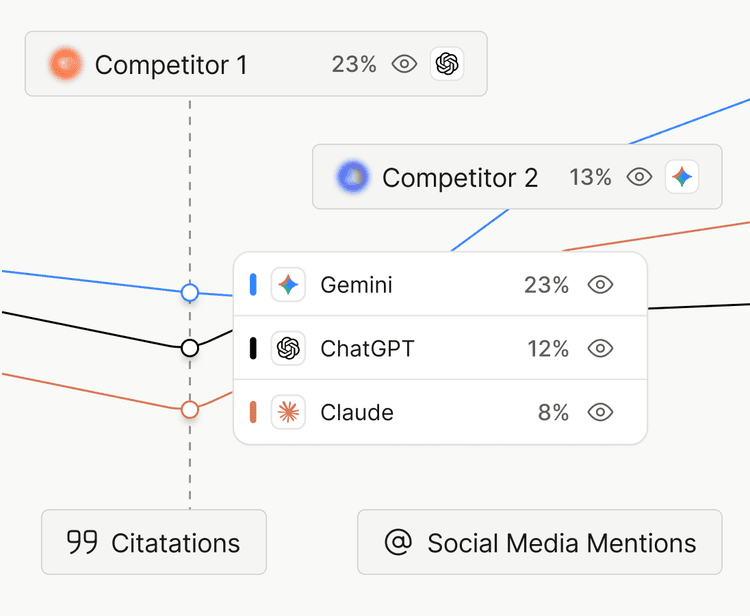
Track
We run the prompts buyers actually ask across AI surfaces and read the responses to see where your brand stands — and which competitors stand there instead. For shopping queries, that surfaces who currently holds the buy button on each product, so you can track brand mentions in ChatGPT and other engines at the SKU level rather than guessing.
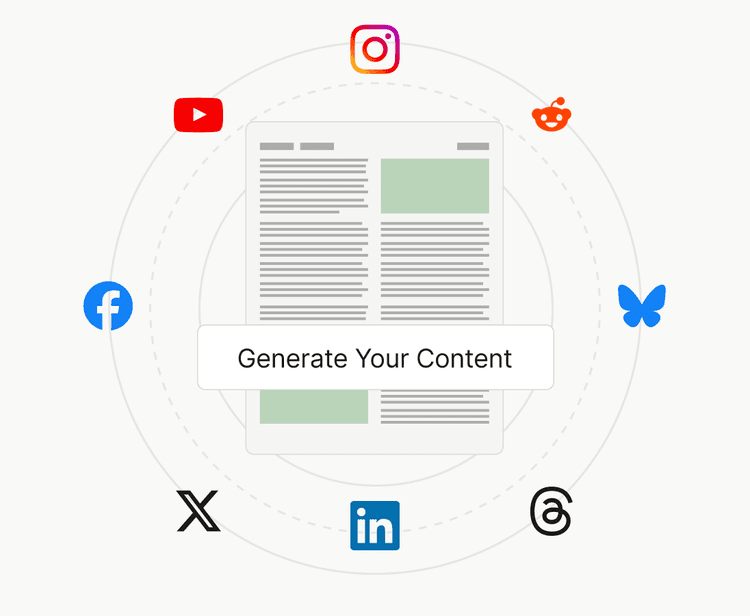
Optimize
Once we know which prompts you lose, we rewrite the assets the AI reads when it picks a recommendation: product titles, descriptions, and metadata; Google Merchant Center and Manufacturer Center feeds; and collection pages — all tuned so the AI prefers your D2C buy link over a marketplace listing.
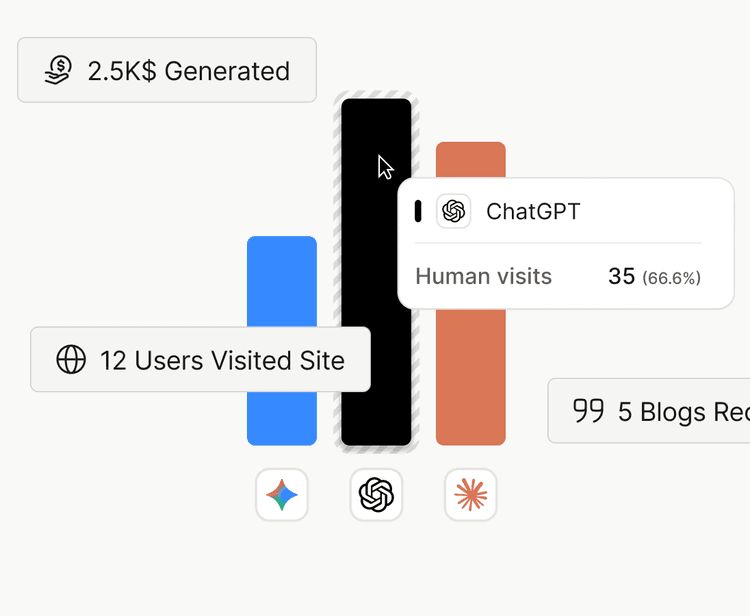
Measure
Optimization only counts if it moves the number. Siftly tracks Share of Shelf, Response Position Index, and Value Hit Ratio alongside citation movement, then ties AI referral traffic through to leads and revenue where attribution tracking is available.
Key Capabilities
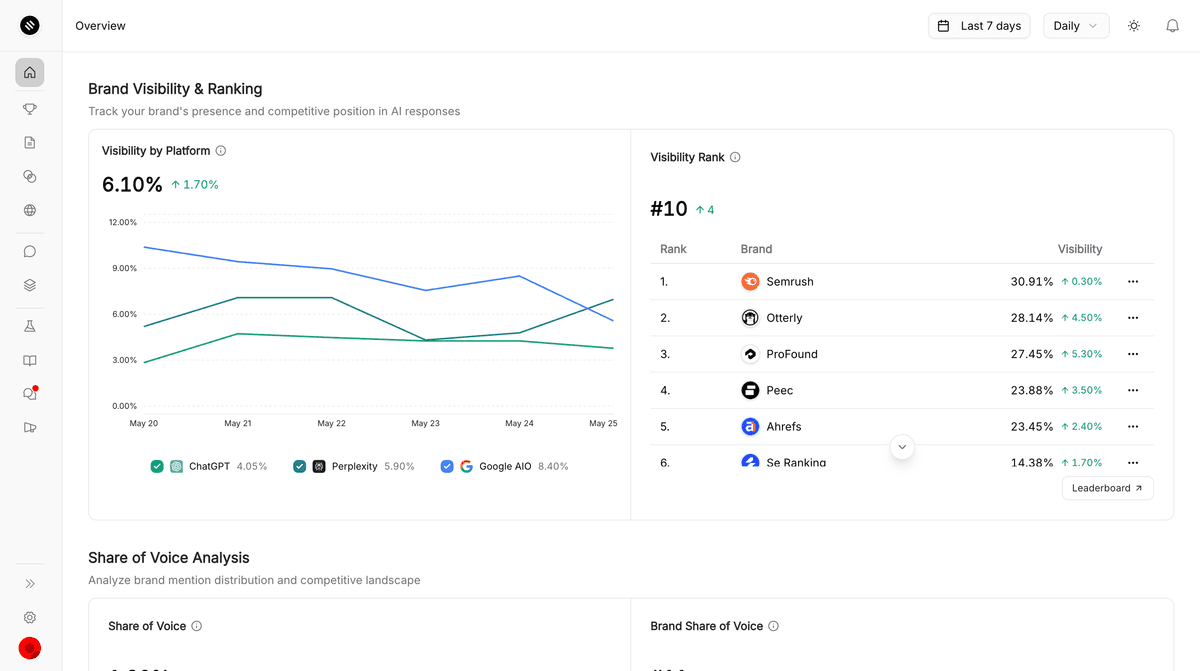
Turns product pages into AI recommendations. It optimizes product titles, descriptions, and metadata, syncs Google Merchant and Manufacturer Center feeds, and tunes collection pages so your product surfaces as the answer. Buy-button and listing visibility is tracked per product across AI shopping surfaces, with feed and listing optimization built in.
Tracks brand and competitor presence across AI platforms — by prompt, platform, rank, mention, citation, and geography, with trends over time. Coverage spans 9 AI engines, including ChatGPT, Gemini, Claude, Perplexity, Google AI Overviews, Google AI Mode, Copilot, the AI Shopping surface, and Groq.
Proves the channel pays off. It tracks AI-bot crawl activity, response visibility, and citation movement, then attributes traffic, leads, and revenue where tracking is available. You see the full path from crawl to citation to dollars, not a vanity score.
Closes the loop. It reverse-engineers the content patterns AI engines actually cite — H1/H2 structure, tables, numbers, and FAQs — into ready-to-publish, on-brand articles, then ships them with one-click CMS publishing.
How Siftly Is Different
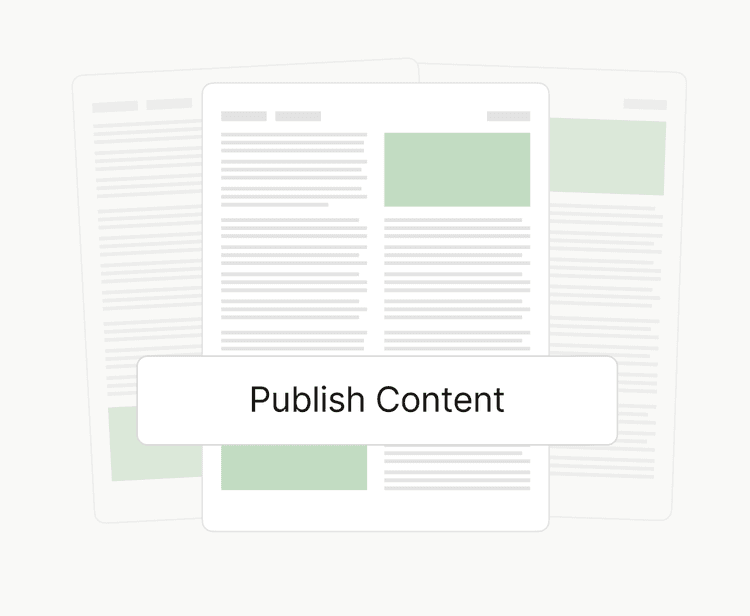
End-to-end GEO execution
Most AI brand monitoring tools stop at the dashboard. Siftly closes the full loop — visibility tracking, AI-optimized content, CMS publishing, and impact measurement in one platform. Tracking alone doesn't move citations; execution does.
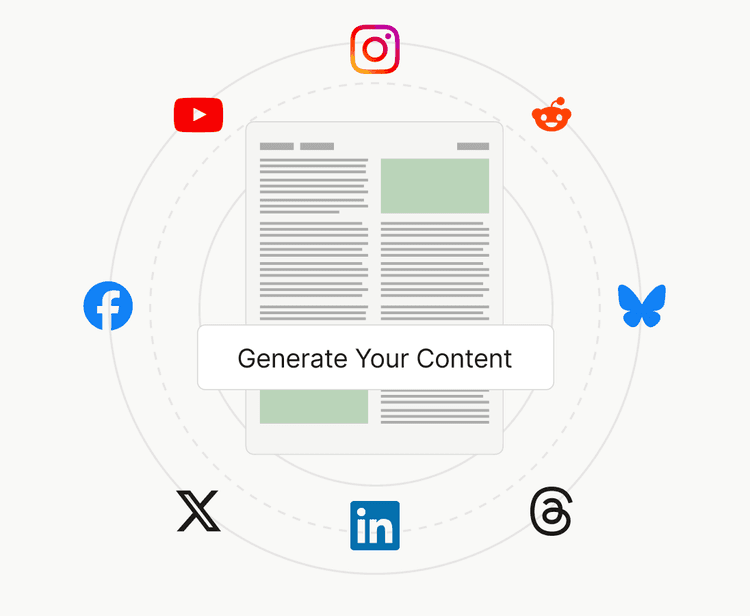
Content reverse-engineered from real citations
The content isn't keyword guesswork. Siftly reverse-engineers the patterns from the sources AI engines actually cite — grounded in published GEO research and aligned with Google's guidance for making your site work with AI features.
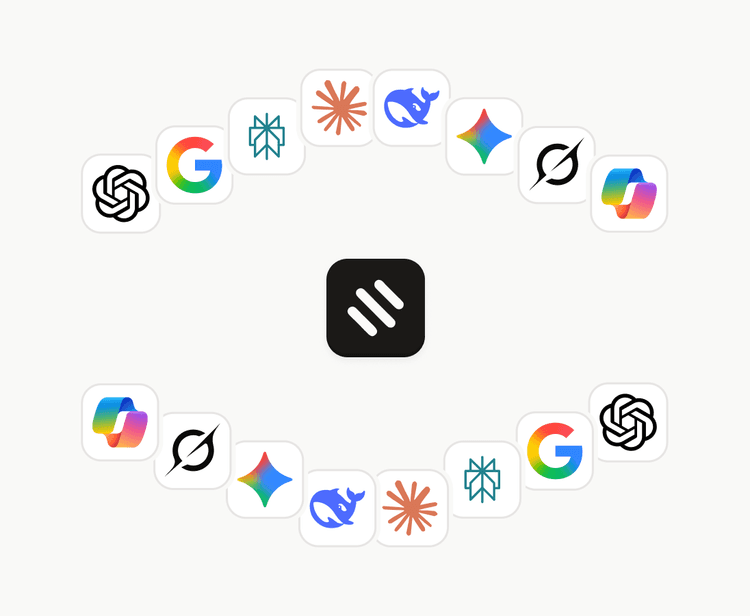
9-engine coverage
Coverage is broader than AI Answers alone. Siftly tracks visibility across 9 AI engines — ChatGPT, Gemini, Claude, Perplexity, Google AI Overviews, Google AI Mode, Copilot, AI Shopping, and Groq — including the AI Shopping surface, where agentic-commerce demand is already real.
Every capability, in depth
What Brands Have Achieved

Before working with Siftly, Domu had no meaningful visibility across AI search platforms. Within a month, we moved from not showing up at all to ranking #9, with visibility gains across Google AI Overviews, Perplexity, and ChatGPT. Siftly gave us a clear view of where we stood, what was driving visibility, and what actions could move us further.
Siftly helped us grow revenue from ChatGPT by 3.5x month over month. More importantly, it showed us AI search is a real, measurable revenue channel, not just hit-or-miss visibility. The on-brand content Siftly creates keeps KIWABI showing up consistently across ChatGPT and Google AI Mode.
Siftly has been a supportive partner as we've worked on AI search visibility for our customers in Japan. They've been responsive, fast to fix bugs, and proactive about improving results. We're now seeing leads come through Google AI Overviews and ChatGPT, which has made AI search a channel we can take to market.
Questions about buy button ownership
What the field says about AI search
Chalam PVS is the Founder of Siftly.
Your Next Customer Is Already Asking AI
See if AI recommends you — or your competitors.
Run My Free Audit


Own Your AI Buy Button
KIWABI grew revenue from ChatGPT 3.5x month over month — turn AI shopping recommendations into a measurable revenue channel.
Get started